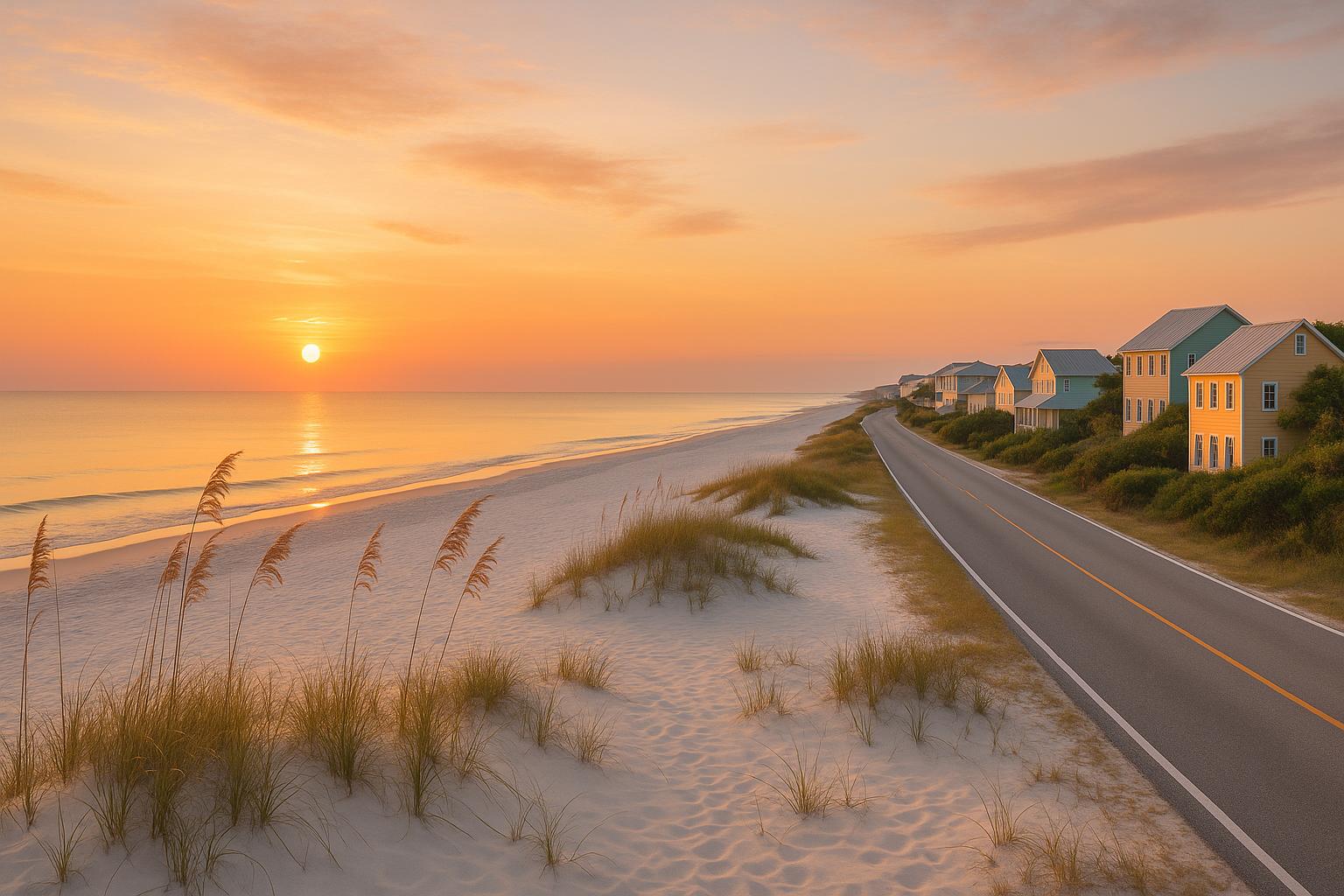
Sea turtle nesting season on 30A runs from May 1 to October 31, with peak activity for nesting from June to July and hatching from August to September. During this time, female turtles lay eggs at night, and hatchlings emerge weeks later to make their way to the Gulf. Three species nest on 30A beaches: loggerhead, green, and Kemp's ridley turtles. Volunteers patrol the beaches daily to protect nests and monitor activity.
Key highlights:
- May – July: Nesting season (highest activity in June/July).
- August – October: Hatching season (eggs incubate for 50–60 days).
- Best time to visit: Late May–July for nesting; August–September for hatching.
If you're visiting, follow turtle-safe practices: avoid bright lights, clear the beach at night, and respect marked nests. For updates, check resources like South Walton Turtle Watch and the Florida Fish and Wildlife Conservation Commission. This is a rare opportunity to witness an ancient natural event while supporting conservation efforts.
Sea Turtle Nesting Calendar: Key Dates by Month
Knowing the seasonal patterns of sea turtles can transform your visit to 30A into a memorable experience. Whether you're hoping to catch a glimpse of nesting activity, marvel at hatchlings making their way to the ocean, or simply enjoy the beach while respecting these protected creatures, timing is everything.
March and April: Quiet Before the Season
Although the official sea turtle nesting season on 30A begins on May 1, March and April offer a peaceful prelude. During these months, you won’t find marked nests or turtle tracks on the beaches of South Walton. However, the quieter shores are perfect for appreciating the area’s natural beauty and preparing for the busier months ahead.
While sea turtles aren't active yet, early risers can still enjoy spotting dolphins, shorebirds, and other coastal wildlife during morning walks. It’s also a great time to dive into local conservation efforts and learn about the upcoming nesting season. By May, the first signs of turtle activity start to appear.
May: Nesting Season Kicks Off
May 1 marks the official start of nesting season on 30A. Typically, the first nest in Walton County is discovered around the third week of May, signaling the real beginning of the turtle activity. From mid-May onward, volunteers with South Walton Turtle Watch patrol the beaches at dawn, searching for fresh tracks and marking new nests with stakes and tape.
If you visit in late May, you might spot the season’s earliest marked nests along the dune line. Look for fresh tracks - parallel grooves in the sand left by turtles crawling to and from their nests. For the best chance to see these signs, head out for a morning walk before the tracks are erased by wind or waves.
June and July: Nesting in Full Swing
June and July are the busiest months for sea turtle nesting on 30A. During this peak period, female loggerheads and green turtles come ashore almost nightly, leaving behind fresh tracks and new nests. Volunteers mark these nests each morning, creating a visible reminder of the turtles’ nocturnal activity.
This is the best time to see evidence of nesting, such as disturbed sand, fresh tracks, and marked nesting sites. However, remember that nesting turtles are easily disturbed by lights and human activity, so it’s crucial to avoid the beach at night or use any kind of artificial lighting.
For a deeper dive into sea turtle conservation, check out Wild Sea Turtle Wednesdays at The Big Chill 30A. These free events, running from late May through July, feature educational talks, hatchling adoption opportunities, and activities like the Jr. Ocean Ranger pledge. It’s a fun way to learn more while planning your visit around nesting activity.
Beach etiquette is especially important during these months. Avoid leaving obstacles like beach furniture, sandcastles, or holes that could interfere with nesting turtles. And always keep the beach dark at night - no flashlights, phone screens, or camera flashes.
August: A Season of Change
August is a unique month, as it bridges the nesting and hatching seasons. While some female turtles continue to lay new nests, earlier nests from May and June start to hatch. Sea turtle eggs incubate for 45–70 days, with loggerheads typically hatching in 50–60 days. As a result, nests laid in late May or early June often hatch by August.
During this time, you might see both fresh nesting tracks and tiny hatchling trails leading from marked nests to the water. Hatchlings emerge at night, instinctively heading toward the brightest horizon - the Gulf. To ensure their safety, avoid using flashlights or taking photos with a flash, and give them a clear, unobstructed path to the water.
If you’re lucky enough to witness a hatching event, stay behind any volunteers present and avoid touching the hatchlings. Even well-meaning interference can disrupt their critical journey to the ocean.
September and October: Wrapping Up the Season
By September and October, nesting activity winds down, and the focus shifts to hatching. Nests laid during the peak months of July and August continue to hatch, with some late-season nests emerging into early November. Fall offers a quieter, more relaxed beach experience, with fewer crowds and cooler weather.
While fresh nesting evidence becomes rare, you might still spot hatchling tracks or marked nests. Turtle-safe practices remain essential until October 31. Keep the beach dark at night, respect marked nests, and avoid using flashlights or flash photography. Volunteers continue their morning patrols to monitor remaining nests and document hatch success rates.
For autumn visitors, witnessing the last hatchlings of the season making their way to the Gulf can be a magical experience - an unforgettable highlight of a fall beach trip.
| Month | Primary Activity | What to Expect |
|---|---|---|
| March–April | Pre-season | No nesting; peaceful beaches; conservation info |
| May | Nesting begins | First nests marked; fresh tracks visible |
| June–July | Peak nesting | High activity; multiple marked nests; events |
| August | Nesting + hatching | New nests and hatchling tracks |
| September–October | Late hatching | Hatching continues; quieter beaches |
Planning Your Visit Around Sea Turtle Season
Timing your trip to 30A to coincide with sea turtle activity takes a little preparation. Since nature doesn’t run on a strict schedule, it’s helpful to understand general patterns, plan for a longer stay, and keep some flexibility in your plans. Whether you’re hoping to spot fresh tracks in the sand or catch a glimpse of hatchlings making their way to the Gulf, a few thoughtful choices can improve your chances.
Best Times for Nesting Activity
If seeing signs of nesting - like fresh tracks, disturbed sand, or newly marked nests - is your goal, aim to visit late May through July. This is the prime nesting season for female loggerhead turtles, with peak activity happening in June and July. During this time, volunteers from South Walton Turtle Watch are out almost daily marking new nests.
Staying right on or near the beach is a smart move, especially if you want to take early morning walks at sunrise. This is the best time to spot fresh tracks before they’re erased by wind, waves, or beachgoers. Quieter areas like Grayton Beach or Blue Mountain often provide the best conditions for seeing undisturbed crawls and nesting sites.
Consider planning a four- to seven-night stay during this window. Since nesting activity varies from night to night, a longer trip increases your chances of witnessing something special. Make it a habit to start each day with a sunrise walk along the beach, then enjoy the rest of your vacation with activities like dining, shopping, or exploring nearby attractions.
If you’re traveling with kids or enjoy structured learning experiences, mid-June through late July is a great time to visit. Programs like Wild Sea Turtle Wednesdays offer hands-on activities, conservation talks, and opportunities to learn directly from local volunteers.
While nesting activity peaks in early to mid-summer, the timeline for hatching is a little different.
Best Times for Hatching Activity
If you’re more interested in witnessing hatching, plan your trip for late July through September. Sea turtle eggs take about 50 to 60 days to incubate, so nests laid in late May and early June start hatching toward the end of July. By August and September, hatching activity is at its busiest, with tiny tracks leading from marked nests to the water becoming a common sight on early morning walks.
Hatchlings usually emerge at night when it’s cooler and safer for their journey to the Gulf. Your best bet is to walk the beach at sunrise in August and September, looking for small tracks or signs of recently excavated nests monitored by local volunteers.
For nature lovers and photographers, early September is a favorite time to visit. The weather is slightly cooler, sunrises are more comfortable for long walks, and the post-Labor Day crowds have thinned out. Even if you don’t catch hatchlings in action, you can still enjoy spotting tracks, observing excavated nests, and knowing you’re visiting during an important time for these endangered animals.
Some Florida parks and conservation groups offer permitted nighttime turtle walks in June and July. These walks, which require advance reservations, provide a structured way to observe turtle activity. Keep in mind, group sizes are limited, and flashlights and photography are prohibited. Check with organizations like the Florida Fish and Wildlife Conservation Commission for details.
Resources for Tracking Activity
To stay up to date on current conditions and activity, use these local resources to fine-tune your plans. They’ll help you align your visit with ongoing conservation efforts on 30A.
- South Walton Turtle Watch: Offers real-time updates on patrols, special events, and educational programs during nesting season.
- Florida Fish and Wildlife Conservation Commission (FWC): Publishes official nesting data, including annual nest counts and species breakdowns, along with guidelines for responsible beach behavior.
- Visit South Walton and sowal.co: Provide seasonal articles, event calendars, and practical tips for visitors interested in sea turtle activity.
If you’re visiting during the shoulder months of May or October, keep an eye on local event calendars. You might find special programs, guided walks, or volunteer-led nest inventories that aren’t widely advertised. These can give you a chance to engage in meaningful, ethical experiences centered around sea turtles.
Beach Behavior Checklist for Nesting and Hatching Season
Help protect sea turtles along 30A by adopting a few straightforward habits. With over 100,000 nests safeguarded annually, your actions play a crucial role. South Walton Turtle Watch patrols the beaches every morning from May through October, ensuring the safety of these incredible creatures - but they can’t do it alone.
Turtle-Safe Beach Practices
To support sea turtles during their nesting and hatching seasons, follow these essential guidelines:
Keep the beaches dark at night. Artificial lights can confuse both nesting females and hatchlings, causing them to head inland instead of toward the Gulf. If you’re staying in a beachfront rental, turn off or shield outdoor lights and close curtains after sunset. Avoid using flashlights or camera flashes, and if lighting is absolutely necessary, opt for red-filtered lights where permitted.
Remove beach gear and trash every evening. Chairs, umbrellas, cabanas, coolers, toys, and other items left on the sand can block or trap turtles. Even if you plan to return early the next morning, leaving the beach clear overnight is crucial, as turtles nest throughout the night. Obstacles might force a female to abandon her nesting attempt or lead hatchlings into dangerous detours. Don’t forget to pack out everything, including trash, food wrappers, fishing lines, and plastic bags - items that sea turtles can mistake for food.
Fill in holes and flatten sandcastles before you leave. Holes and sandcastles can create obstacles for hatchlings trying to reach the water. Volunteers from South Walton Turtle Watch also address these issues during their morning patrols, but every effort helps.
Avoid marked nest areas. Nests are clearly marked with stakes and tape, and these protective barriers are legally enforced. Never step inside roped-off zones, sit on nests, or let children dig nearby. Keep your pets and gear away from these areas as well. Additionally, leave the wrack line - the natural debris along the high-tide mark - undisturbed. It plays a vital role in maintaining the beach ecosystem.
Respecting Wildlife and Local Rules
Following local regulations and respecting wildlife is essential for sea turtle conservation.
Sea turtles, their eggs, and nests are protected by law. Avoid touching, interfering with, or altering them in any way. Activities like digging near nests, sitting on them, or collecting eggs or hatchlings can result in fines or even criminal charges. Even seemingly harmless actions, like taking photos near a nesting turtle or repeatedly approaching her, can disrupt her behavior and cause her to abandon the nesting process.
If you come across an adult turtle on the beach, stay well behind her, keep your voice low, and avoid sudden movements. Never block her path, touch her, or shine lights on her. Similarly, if hatchlings are emerging, keep your distance, turn off any lights, and don’t attempt to handle or “assist” them unless directed by authorized wildlife volunteers or law enforcement. Their crawl to the water is a critical part of their development.
For pet owners, keep dogs leashed in permitted areas and never allow them to dig near the dunes or marked nests. Dogs can disturb nests, uncover eggs, or harm hatchlings. Additionally, stay off the dunes and use only designated beach access points and boardwalks. Dune vegetation is crucial for stabilizing the sand and preserving the nesting habitat.
If you see a disoriented or injured turtle, or witness someone disturbing a nest or using bright lights on the beach at night, don’t intervene yourself. Instead, contact the Florida Fish and Wildlife Conservation Commission’s Wildlife Alert hotline or local law enforcement. On 30A, you can also reach out to South Walton Turtle Watch volunteers using the contact details found on local signage and educational materials.
sbb-itb-d06eda6
Local Resources for Sea Turtle Conservation
Local organizations play a key role in supporting sea turtle conservation during nesting season. They provide real-time updates, educational opportunities, and emergency contacts to help protect these incredible creatures.
South Walton Turtle Watch

From May 1 to October 31, South Walton Turtle Watch volunteers patrol the beaches along 30A, searching for nesting tracks and marking nests. Their responsibilities include monitoring nesting activity, estimating hatch dates, applying predator protection, and addressing hazards like deep holes or damaged dunes.
Every Wednesday from May 29 through July 31, Wild Sea Turtle Wednesdays take place at The Big Chill 30A from 9–11 a.m. These events offer sea turtle education, themed crafts, a chance to adopt a symbolic hatchling, and the Jr. Ocean Ranger pledge. You can support their mission by volunteering, donating for nest protection, or joining beach cleanups. For up-to-date nest counts, patrol schedules, and volunteer opportunities, check out southwaltonturtlewatch.org.
Visit South Walton

Visit South Walton, the official tourism organization for South Walton County, shares seasonal wildlife updates, beach safety tips, and conservation guidelines. Their resources emphasize the importance of following the "Leave No Trace" policy, which includes turning off beachfront lights at night, filling in sand holes, removing beach gear before sunset, and respecting marked nests.
Before heading to the beach, review their seasonal wildlife alerts to familiarize yourself with local rules, such as restrictions on tents, bonfires, and dogs near nesting areas. Many local accommodations and beach access points also display their turtle season reminders. For trip planning, beach access maps, and the latest wildlife updates, visit their website. You can also explore sowal.co for community events, hidden beach spots, and family-friendly activities along the 30A coastline.
For statewide conservation efforts and emergency assistance, the Florida Fish and Wildlife Conservation Commission is your go-to resource.
Florida Fish and Wildlife Conservation Commission
The Florida Fish and Wildlife Conservation Commission (FWC) oversees sea turtle conservation across the state, setting rules on lighting, human interaction, and nest protection. Their website is packed with resources on nesting season, species identification, conservation laws, and guidelines for beachfront property owners and visitors.
If you come across an injured, dead, or disoriented sea turtle or hatchling on a 30A beach, call the FWC Wildlife Alert Hotline at 1–888–404–3922 immediately. Avoid touching or moving the turtle unless directed by an expert. When reporting, provide details like the turtle’s location (nearest beach access or landmark), condition, and any visible tags or markings to help responders act quickly.
FWC's online resources also clarify what’s allowed during nesting season - no touching turtles, no flashlights or flash photography near nesting females, and strict adherence to lighting ordinances. Their Learn section and species profiles offer insights into nesting biology, threats, and recovery efforts. Considering Florida’s beaches host over 100,000 nesting sea turtles each summer, accounting for nearly 90% of U.S. sea turtle nesting, these efforts are crucial for the species' survival.
For emergencies, educational tools, and statewide conservation updates, visit the Florida Fish and Wildlife Conservation Commission website.
Conclusion
Sea turtle nesting along 30A is a time-honored natural event that calls for mindful participation. If you're planning a visit, aim for the nesting season, which runs from May to October. Peak nesting occurs from late May through July, with hatchlings emerging between August and October. Florida beaches host nearly 90% of all sea turtle nesting in the United States, making every nest along the 30A coastline crucial for the survival of these species.
Your choices during your visit can directly impact the hatchlings' journey to the Gulf. To help protect these vulnerable creatures, follow turtle-safe practices: stay clear of marked nests, keep noise levels low, and avoid touching turtles or hatchlings. It’s worth noting that all sea turtle species are federally protected. A single female turtle can lay over 100 eggs per nest, yet only a tiny number of hatchlings survive to adulthood. Even small, thoughtful actions on your part can significantly improve their chances.
For updates on nesting activity and guidelines, check resources like South Walton Turtle Watch, Visit South Walton, and the Florida Fish and Wildlife Conservation Commission. If you’re looking for additional travel tips, hidden beaches, or local events, visit sowal.co. By aligning your trip with turtle-friendly practices and sharing what you learn with others, you’ll not only enrich your 30A experience but also play a part in safeguarding this extraordinary natural event.
FAQs
How can I help protect sea turtles while visiting the beaches during nesting season?
To enjoy a turtle-safe beach visit during nesting season, there are a few key practices to keep in mind. Avoid using bright lights on the beach at night - artificial lighting can confuse both nesting turtles and hatchlings, leading them away from the ocean. If lighting is necessary, opt for red or amber lights, which are far less disruptive.
Help keep the beach safe and obstacle-free by cleaning up trash, filling in any holes, and flattening sandcastles before you leave. These small efforts can prevent turtles from becoming trapped or injured. Finally, always maintain a respectful distance when observing turtles. Disturbing them while they nest or hatch can cause unnecessary stress.
By following these steps, you’ll play a part in safeguarding these amazing creatures and their delicate habitat.
How can I help protect sea turtles while visiting 30A during nesting season?
Visitors to 30A have an important opportunity to help protect sea turtles, especially during nesting season. A few simple actions can make a big difference. First, always leave the beach as you found it - remove any trash and fill in holes in the sand, as these can block or trap turtles on their journey to and from the water. At night, avoid using bright lights near the beach since artificial lighting can confuse both adult turtles and hatchlings, leading them away from the ocean. If you come across a marked nest, admire it from a distance and never interfere.
For those looking to do more, consider volunteering with local conservation groups or attending educational programs focused on sea turtle protection. Not only will you be helping these incredible creatures, but you'll also deepen your appreciation for the natural beauty of 30A's coastline.
What should I do if I see a disoriented or injured sea turtle on the beach?
If you come across a disoriented or injured sea turtle on the beach, it’s crucial to handle the situation carefully. Do not touch or disturb the turtle, as doing so could increase its stress or cause additional harm. The best course of action is to contact local wildlife authorities or a sea turtle rescue organization right away. For those in South Walton, you can call the Florida Fish and Wildlife Conservation Commission (FWC) through their 24-hour Wildlife Alert Hotline at 1-888-404-FWCC (3922).
While waiting for help to arrive, stay nearby but maintain a safe distance. Make sure the area remains quiet and avoid using bright lights, as artificial lighting can confuse sea turtles, particularly during nesting season.