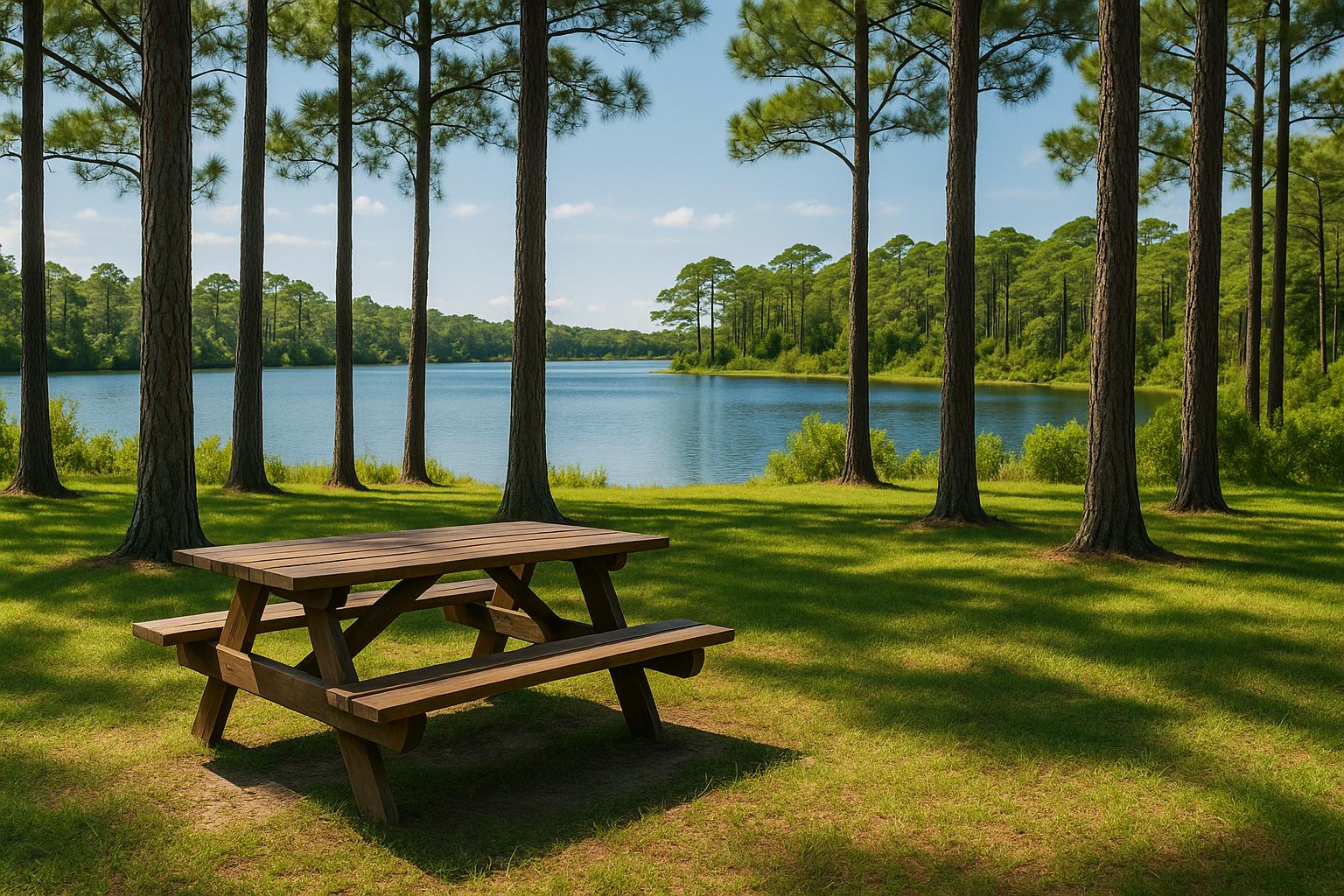
Coastal dune lakes are rare ecosystems found in Walton County, Florida, and parts of coastal Oregon. These shallow lakes, fed by rainfall and groundwater, occasionally connect to the Gulf of Mexico, creating a mix of freshwater and saltwater that supports diverse plant and animal life.
Key Highlights:
- Ecosystem Dynamics: Seasonal changes in rainfall and Gulf connections influence water levels, salinity, and habitats.
- Wildlife by Season:
- Winter: Waterfowl, bald eagles, and expanded wetlands.
- Spring: Migratory birds, nesting shorebirds, and vibrant plant growth.
- Summer: Active fish, nesting turtles, and wading birds.
- Fall: Migratory shorebirds, otters, and cooling temperatures.
- Recreation: Activities include kayaking, birdwatching, and hiking, with prime locations like Western Lake and Grayton Beach State Park offering access to wildlife-rich areas.
These lakes are a year-round destination for nature enthusiasts, offering unique opportunities to observe seasonal wildlife and enjoy outdoor activities. Always follow local guidelines to protect these delicate habitats.
COASTAL DUNE LAKES JEWELS OF FLORIDA'S EMERALD COAST
How Dune Lake Ecosystems Change by Season
Seasonal shifts play a significant role in shaping the dynamic ecosystems of coastal dune lakes, adding another layer of complexity to their already unique characteristics.
Water and Habitat Changes by Season
The shallow coastal dune lakes along 30A, positioned near the Gulf, experience significant seasonal changes in water levels due to rainfall, storms, and periodic connections to the Gulf. During late spring and summer, heavy rains often raise water levels high enough to breach sandy ridges. This creates temporary outfalls, allowing freshwater to mix with saltwater, forming highly productive zones.
In late fall, as rainfall decreases, water levels drop, and natural sand closures at the outfalls make the lakes increasingly fresh. Rainfall dilutes the remaining marine salts, but tropical storms and hurricanes - common from June to November - can abruptly alter this balance. These events may raise lake levels, create new channels, and push salty Gulf water inland. This leads to short-term but dramatic fluctuations in salinity and shoreline configurations. When outfalls are active, freshwater conditions prevail, supporting plants like maidencane, spikerush, and water lilies. In contrast, prolonged closures can lead to evaporation and occasional storm surges, increasing salinity and favoring salt-tolerant vegetation.
These water level changes also affect habitats. Expanding littoral zones during high water periods provide space for emergent plants and wading birds. Conversely, during dry spells, receding water exposes sand and mudflats for shorebirds to forage, while fish and invertebrates are concentrated into deeper pockets along the shoreline.
What Drives Habitat Changes
The wet and dry cycles around these lakes expand wetlands during winter and early spring, creating ideal conditions for rushes and sedges that support amphibians and aquatic invertebrates. However, as late spring and summer progress, especially in drier years, the soils around lake margins dry out. This shift transforms some shallow wetland zones into moisture-limited upland areas, encouraging grasses and shrubs to thrive in back-dune and scrub regions.
Prescribed fires in nearby longleaf pine flatwoods, scrub, and dune habitats also influence these ecosystems. Controlled burns help maintain open-canopy vegetation like wiregrass, forbs, and low shrubs, which provide food and shelter for small mammals, ground-nesting birds, and pollinators. Fires also promote a more open plant structure and release nutrients from ash, which can temporarily boost aquatic plant growth while reducing erosion when carefully managed.
Seasonal plant growth reflects these changing conditions. Warmer months bring flourishing aquatic vegetation, as rising water temperatures and longer daylight hours encourage the growth of submerged and emergent plants. However, sharp increases in salinity - often caused by summer storm surges or extended outfall closures - can stress salt-sensitive species while allowing salt-tolerant marsh grasses and rushes to spread. Similarly, shoreline and terrestrial plants experience vigorous growth in spring, fueled by increased soil moisture, though prolonged dry spells in late summer may cause some species to wither or go dormant.
These seasonal processes create distinct physical and ecological conditions throughout the year.
Physical Conditions Across the Four Seasons
Understanding seasonal patterns is essential for anticipating the conditions of coastal dune lakes, though recent weather events can sometimes disrupt typical trends. Each lake’s behavior depends on its unique history of outfall activity and local rainfall. The table below outlines general seasonal patterns observed in these ecosystems:
| Season | Water Temperature | Water Level Pattern | Typical Salinity | Key Ecological Notes |
|---|---|---|---|---|
| Winter (Dec–Feb) | Cooler | Relatively high and stable due to frequent cold fronts and steady rainfall | Low to moderate, as sustained freshwater input dilutes marine salts | Expanded shoreline wetlands; thriving freshwater plant communities; favorable for waterfowl |
| Spring (Mar–May) | Gradually warming | Often elevated from late-winter rains | Low to brackish, depending on recent Gulf connections | Transitional period with vigorous freshwater plant growth; increased migratory bird activity |
| Summer (Jun–Aug) | Warmest | Highly variable, influenced by thunderstorms and tropical rainstorms | Can spike during prolonged outfall closures | Strong stratification in deeper areas; rapid salinity changes; concentrated fish and invertebrates in deeper pools |
| Fall (Sep–Nov) | Gradually cooling | Variable; tropical systems can cause sudden water level increases | Ranges from fresh to brackish depending on outfall status | Transitional conditions as winter approaches |
Salinity in these lakes can range from nearly freshwater to mesohaline levels (approximately 0–18+ ppt).
For those planning visits, checking local resources like sowal.co can provide up-to-date information on storms, lake levels, and access conditions, ensuring a well-informed and enjoyable experience.
Wildlife Patterns by Season
Wildlife in South Walton's coastal dune lakes adapts to the changing seasons, with shifts in behavior and distribution influenced by variations in water levels, salinity, and temperature. These seasonal changes create a dynamic environment where birds, mammals, reptiles, amphibians, and fish thrive, offering year-round opportunities for nature enthusiasts to observe and learn.
Bird Migration and Activity by Season
Winter (December–February) brings waterfowl and diving birds like American coots, pied-billed grebes, and various duck species to the lakes, which serve as vital wintering grounds. Raptors such as bald eagles and ospreys remain active hunters during this time. In spring (March–May), migratory shorebirds, including snowy plovers, stop at lake outfalls and nearby beaches. To protect nesting colonies, access to sensitive dune areas is often restricted from March through August. Wading birds like herons and egrets become more visible as fish move into the warming shallows, while raptors ramp up their hunting efforts.
Summer (June–August) is a bustling time for resident birds, with nesting and fledging activity peaking. Feeding is most active at dawn and dusk, when temperatures are cooler. In fall (September–November), southbound migrants pass through, increasing bird diversity as mixed flocks gather along estuarine edges. Raptors are especially active in the early morning and late afternoon, offering visitors prime viewing opportunities. (See )
These seasonal bird behaviors mirror changes observed in mammals, reptiles, and amphibians.
Mammals, Reptiles, and Amphibians
River otters are a common sight along the coastal dune lakes and their creeks, particularly in areas rich with fish and crustaceans. They are most active at dawn and dusk, especially in late fall and winter when thinning vegetation makes them easier to spot. White-tailed deer frequent upland sandhills and wet prairie edges, becoming more visible in cooler months as they move into open areas. Smaller mammals like raccoons and marsh rabbits often leave tracks in the damp sand along the ecotone between dunes and lake margins.
Reptiles, including American alligators, are most active from late spring through early fall, basking on shorelines before retreating to deeper waters in cooler months. Turtles and non-venomous water snakes also show increased surface activity in warmer weather. Visitors are advised to observe wildlife from a safe distance, avoid feeding or approaching alligators, and keep pets away from the water’s edge.
Amphibians respond to seasonal rainfall and changing water levels. From late winter through summer, heavy rains create temporary pools and saturated soils, triggering breeding choruses of frogs and toads. Fire-maintained wet prairies and boggy areas provide vital breeding grounds, especially for species that rely on these unique habitats. During drier periods in late summer and fall, amphibians concentrate near permanent water sources. Their vocalizations are most prominent in spring and early summer, particularly during evening and nighttime hours. (See )
Fish communities also adapt to these seasonal changes, influencing the broader ecosystem.
Fish and Aquatic Species
Fish populations in the coastal dune lakes shift in response to seasonal changes in salinity and temperature. During heavy rains, when outfalls are closed, freshwater and estuarine species thrive in the reduced salinity. When water levels rise and outfalls open, saltwater from the Gulf flows in, allowing marine species like mullet to enter while some freshwater fish retreat. Warmer spring and summer temperatures drive feeding activity in shallow areas, while cooler winter months push fish into deeper waters. These patterns create a dynamic and diverse fish community.
These seasonal fish movements impact other wildlife behaviors. In spring and summer, an abundance of juvenile fish and invertebrates often leads to feeding frenzies among birds like herons, egrets, and terns, especially at dawn and dusk. River otters also take advantage of these concentrated food sources, and active outfalls become hotspots for various species. For up-to-date information on fish populations, lake conditions, and wildlife viewing opportunities, visitors can check local resources such as sowal.co. (See )
sbb-itb-d06eda6
What to Expect When You Visit
South Walton's coastal dune lakes are a treasure trove of wildlife activity, offering something unique to observe throughout the year. The changing seasons bring shifts in animal behavior, making it an exciting destination for nature enthusiasts.
Spring and Summer Wildlife
As temperatures warm, the lakes and surrounding areas come alive with nesting and breeding activities. From March through August, keep an eye out for snowy plovers and least terns nesting in the dunes and along the beaches near the lakes. Be sure to respect posted signs to avoid disturbing these delicate habitats.
Sea turtles, including loggerhead and green turtles, make their nocturnal visits to nearby beaches during late spring and early summer to lay their eggs. South Walton Turtle Watch organizes nightly patrols during nesting season, and some guided turtle walks allow visitors to witness this incredible process responsibly.
Reptiles are also more active in these warmer months. Alligators can often be spotted basking along the shores of Western Lake, Alligator Lake, and Eastern Lake on sunny days. Meanwhile, gopher tortoises, box turtles, and rat snakes become more visible in upland areas, while turtles and water snakes are commonly seen lounging on logs or near shoreline vegetation. Always maintain a safe distance, avoid feeding wildlife, and keep pets away from the banks.
In the water, fish activity reaches its peak, especially in the shallows. Anglers and paddlers might encounter sunfish, bass, and brackish-water species like redfish and speckled trout, particularly when lake outfalls connect to the Gulf. This abundance often draws wading birds such as herons, egrets, and kingfishers, which are most active during dawn and dusk. Overhead, ospreys and bald eagles patrol in search of their next meal.
For an up-close experience, consider paddling a kayak or paddleboard early in the morning or late in the afternoon. These quiet hours offer excellent opportunities to observe birds among the reeds and along the forest edge. Seasonal rains also bring amphibians to life, with frogs and toads filling the air with their calls at dusk, especially after heavy rains.
Fall and Winter Wildlife
As cooler weather sets in, the lakes transform into havens for migratory birds and waterfowl. On larger lakes like Western Lake and Eastern Lake, you can spot pied-billed grebes, American coots, and various duck species gathering on open water. A pair of binoculars or a spotting scope will help you enjoy these sights from a respectful distance.
Shorebirds take advantage of the outfalls and beaches during their fall migration. Species like dunlins, sanderlings, and occasionally red knots can be seen feeding on exposed sandbars and mudflats created by the shifting connections between the lakes and the Gulf. Along estuarine edges, mixed flocks of southbound migrants add to the diversity.
Raptors remain active hunters during fall and winter. With less foliage and more concentrated bird activity over open water, bald eagles and ospreys become easier to spot, particularly in the early morning and late afternoon.
Mammals also become more visible during this time. River otters are most active at dawn and dusk along creeks and lake edges, while white-tailed deer move into open areas near upland sandhills and wet prairies. Raccoons and marsh rabbits often leave tracks in the damp sand where dunes meet lake margins.
Spring, from March to May, is often considered the best time for wildlife diversity. Migratory birds join local nesters, wildflowers bloom, and the mild temperatures make outdoor activities like hiking and paddling especially pleasant.
Tips for Viewing Wildlife
To make the most of your visit, timing is key. Early mornings and late afternoons are ideal for spotting birds and mammals, as the softer light and calmer winds create a more enjoyable experience. During the heat of summer, stick to shaded trails, boardwalks, or even take a refreshing swim instead of spending extended periods in direct sunlight.
Visiting on weekdays and during off-peak seasons can increase your chances of encountering shy species like beach mice and nesting birds without the disruptions of larger crowds.
Local state parks provide excellent infrastructure for wildlife observation. Grayton Beach State Park, for instance, has trails and boardwalks leading to prime viewing areas like Alligator Lake, Little Redfish Lake, and Western Lake. Other parks, including Topsail Hill Preserve State Park, Deer Lake State Park, and Camp Helen State Park, offer paddling launches, trails, and viewing platforms that bring you closer to the action. The Timpoochee Trail and other 30A bike paths also provide easy access to many observation points.
To protect these delicate ecosystems, always stay on designated trails and avoid trampling on dunes, which are critical habitats for species like the Choctawhatchee beach mouse and snowy plover. Minimize noise and movement near outfalls and dunes, and use binoculars to observe wildlife from a distance. Follow posted guidelines, including leash laws and seasonal closures, and never feed animals, as this can harm them and alter their natural behaviors.
For a richer experience, consider combining activities. Kayaking and paddleboarding allow for quiet exploration of the lakes, offering chances to observe fish, birds, and turtles. Fishing is another popular activity, but remember to follow Florida fishing regulations and practice catch-and-release near sensitive habitats. Birdwatching is particularly rewarding in fall and winter, and bringing a field guide or using a mobile app can enhance your understanding of the species you encounter.
Stay informed by connecting with local organizations like the Choctawhatchee Basin Alliance and South Walton Turtle Watch. They offer educational programs, volunteer opportunities, and up-to-date information on wildlife activity. State parks often host ranger-led programs, nature walks, and birdwatching events during peak seasons. Guided kayak tours and eco-tours focusing on dune lake ecology are also available - check digital guides like sowal.co for details.
If possible, plan your visit around outfall events. When lake levels rise and breach the sand berm, the temporary connection between the lake and the Gulf creates shallow channels teeming with fish and invertebrates. This phenomenon attracts shorebirds and wading birds in large numbers, offering an unforgettable wildlife viewing experience.
Conclusion
Why Visit Coastal Dune Lakes
South Walton's coastal dune lakes are some of the rarest aquatic treasures on the planet, found in just four countries and only two U.S. states: Florida's Walton County and Oregon. What makes these lakes so special is their ever-changing nature. They’re fed by rainfall, groundwater, and streams, and occasionally connect to the Gulf. These connections cause shifts in salinity, creating a habitat that supports an incredible variety of life, from freshwater fish to coastal birds.
These lakes aren’t just ecological marvels - they’re also a year-round playground for outdoor enthusiasts. In spring, you’ll find an explosion of wildlife activity, with migratory birds mingling with local species, all set against mild, pleasant weather perfect for paddling or hiking. Summer showcases nesting seasons in full swing, while fall transforms the lakes into rest stops for southbound migratory birds. And winter? Cooler temperatures bring waterfowl to the open waters and make forest-edge wildlife easier to spot.
Imagine gliding across the calm waters of Western Lake at sunrise in a kayak, catching sight of an osprey diving for its breakfast, or walking the boardwalks of Grayton Beach State Park while soaking in the peaceful beauty of these rare ecosystems. The park’s trails, kayak launches, and viewing platforms allow you to explore these dynamic environments without disrupting their delicate balance. It's a chance to immerse yourself in nature at its most serene.
With their ecological importance and recreational appeal, coastal dune lakes are a destination that nature lovers simply can’t miss.
Plan Your Visit with Local Resources
Planning your trip? Local resources can make it easy to create a personalized experience. Start with sowal.co, a digital guide to South Walton and the 30A coastline. It’s packed with helpful tools to match your interests - whether it’s finding kayak rentals, locating restaurants near popular lake spots, or checking the latest beach and trail conditions. You can even use it to keep track of seasonal events that might enhance your visit.
State park visitor centers are another fantastic resource. They provide up-to-date information on lake conditions, recent wildlife activity, and the best places to explore on any given day. Many parks also offer ranger-led programs and guided nature walks, giving you a chance to learn more about the lakes’ unique ecosystems directly from the experts.
For a deeper connection to the area, consider programs offered by groups like the Choctawhatchee Basin Alliance or South Walton Turtle Watch. These organizations host educational activities and volunteer opportunities, letting you contribute to conservation efforts like habitat restoration and invasive species removal. These efforts play a crucial role in preserving the health of the lakes for both wildlife and visitors alike.
While you’re exploring, be mindful of posted guidelines and seasonal closures to help protect these fragile habitats. With a little planning and respect for the environment, your visit to South Walton’s coastal dune lakes can be an unforgettable adventure in one of the world’s rarest natural wonders.
FAQs
When is the best time to visit coastal dune lakes to see wildlife?
The best time to explore coastal dune lakes for wildlife observation depends on the season, as the variety of species and their activities shift throughout the year. Spring and early summer are perfect for catching a glimpse of migratory birds, nesting shorebirds, and other seasonal animals. These months bring a flurry of activity, with wildlife taking full advantage of the warmer weather and plentiful food.
In fall and winter, the scene changes as different migratory birds make their way through or settle in the area for the colder months. Local wildlife can also be spotted adjusting to the cooler temperatures. No matter the season, early mornings and late afternoons are prime times for wildlife watching, as animals are most active during these cooler parts of the day. To make the most of your visit, consider using local resources and guides to uncover more of South Walton's natural treasures!
How do changes in salinity and water levels throughout the year impact wildlife in coastal dune lakes?
Seasonal changes in salinity and water levels have a big impact on the types of wildlife that thrive in coastal dune lakes. During the wetter months, when freshwater inflow increases, salinity drops. This creates a welcoming environment for species like frogs, turtles, and freshwater fish. On the flip side, drier periods or storm surges can push salinity levels higher, favoring saltwater species such as crabs, shrimp, and certain fish varieties.
If you visit a coastal dune lake, the wildlife you encounter will likely depend on the season. Birdwatchers, for instance, might catch sight of herons and egrets during times of lower salinity. Meanwhile, migratory shorebirds may make an appearance when salt levels rise. These ecosystems provide a unique window into how animals adapt to ever-shifting conditions.
How can visitors enjoy recreational activities at coastal dune lakes while protecting their fragile ecosystems?
Visitors can help protect the delicate ecosystems of coastal dune lakes by following a few thoughtful guidelines. First, respect wildlife by keeping a safe distance and sticking to designated trails or boardwalks to avoid disturbing their natural habitats. If you’re kayaking, paddleboarding, or fishing, opt for eco-friendly gear and take care not to introduce any non-native species into the water.
Also, make it a habit to pack out all trash, including food scraps, as these can harm local animals. When it comes to personal care products, choose environmentally safe options - harsh chemicals from certain sunscreens or insect repellents can wash off and negatively impact the lake’s ecosystem. By taking these small but meaningful actions, you’ll not only enjoy the stunning beauty of these unique lakes but also help preserve them for the future.