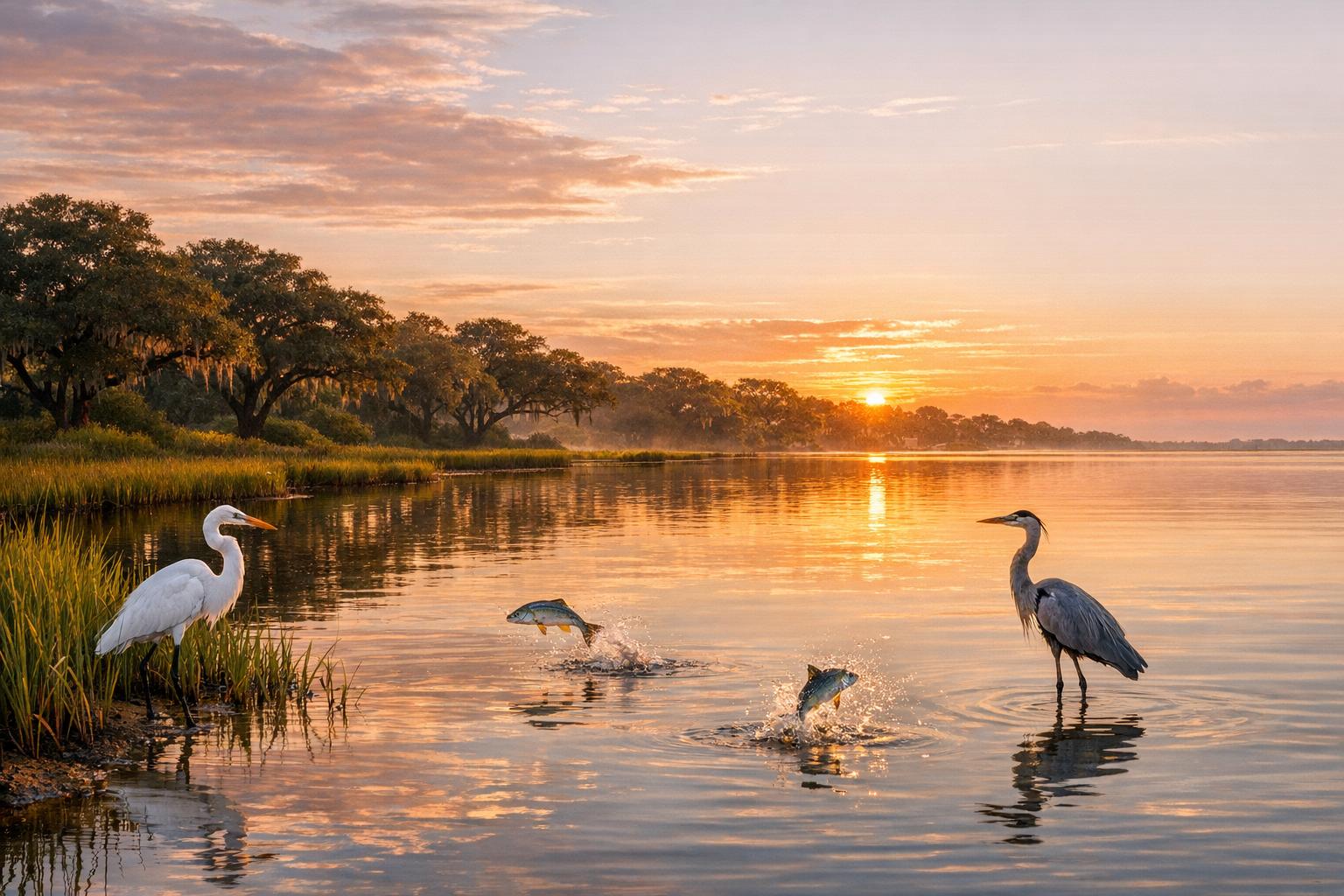
- Coastal Dune Lakes: Paddle through unique freshwater ecosystems like Western Lake and Deer Lake. Perfect for spotting otters, sea birds, and deer.
- Topsail Hill Preserve State Park: Hike or paddle through diverse habitats, including sand dunes and pine forests, for just $6 per vehicle.
- South Walton Turtle Watch: Volunteer during sea turtle nesting season (May–October) to help protect hatchlings.
- Choctawhatchee Bay Tours: Explore lush marshes and mangroves with guided boat or paddle tours, spotting dolphins and ospreys.
- Camp Helen State Park: Walk marked trails to enjoy birdwatching and learn about coastal preservation.
- Timpoochee Trail: Bike this 19-mile paved path for scenic views of dunes, marshes, and local wildlife.
- E.O. Wilson Biophilia Center: Learn about the natural world through interactive exhibits focused on biodiversity.
- Marine Adventures 30A: Guided by a marine biologist, these boat tours offer dolphin watching and marine education.
Quick Comparison
| Eco-Tour Option | Activities | Cost (Approx.) | Best Time to Visit |
|---|---|---|---|
| Coastal Dune Lakes | Kayaking, wildlife viewing | $6 park entry | Year-round |
| Topsail Hill Preserve Park | Hiking, paddling | $6 park entry | Year-round |
| South Walton Turtle Watch | Volunteering, sunrise walks | Free | May–October (nesting season) |
| Choctawhatchee Bay Tours | Boat tours, paddleboarding | $350–$550 | Year-round |
| Camp Helen State Park | Hiking, birdwatching | $4 per vehicle | Year-round |
| Timpoochee Trail | Biking | Free | Year-round |
| E.O. Wilson Biophilia Center | Educational exhibits | Varies | Year-round |
| Marine Adventures 30A | Dolphin cruises, sunset tours | $350–$550 | Year-round |
Why Visit?
These eco-tours not only offer memorable experiences but also support conservation efforts. Whether you’re paddling through rare lakes, biking scenic trails, or learning from experts, every activity contributes to protecting Florida’s unique ecosystems. Perfect for families, adventurers, and nature lovers alike.
1. Paddle Through Coastal Dune Lakes
Coastal dune lakes are some of the rarest natural wonders on Earth. Along the 30A corridor in Florida, you'll find several of these unique freshwater ecosystems, including Western Lake, Deer Lake, and Campbell Lake. What makes them so special? They sit just a short distance from the Gulf of Mexico, creating a fascinating zone where freshwater and coastal habitats blend seamlessly.
Discovering the Ecosystem
As you paddle through these lakes, you'll see how freshwater and seawater coexist, shaping the shoreline vegetation and creating a one-of-a-kind environment. This up-close experience offers a glimpse into the intricate balance of nature and reveals the geological features that make these lakes so extraordinary.
Wildlife Encounters
The coastal dune lakes are a haven for wildlife. You might spot anhingas drying their wings, various sea birds gliding overhead, or even deer venturing out during dawn or dusk. If you're lucky, you could catch a glimpse of playful otters or observe the diverse aquatic species that call these waters home.
A Gentle Way to Explore
Kayaks and canoes are perfect for exploring these delicate ecosystems. They’re quiet, produce no emissions, and allow you to get close to nature without disturbing it. Every paddle stroke is an eco-friendly way to connect with the environment while respecting its fragility.
How to Get Started
Whether you prefer a guided tour or a solo adventure, there are plenty of ways to explore. Marine Adventures 30A, led by Captain Ian Towne, offers educational paddling experiences that combine fun with learning. For a self-guided trip, start at Western Lake near Grayton Beach State Park or Topsail Hill Preserve State Park. Both parks have well-maintained boat ramps and designated paddling areas, with a $6 entry fee per vehicle. Don’t forget to pack binoculars for birdwatching and follow local rules, especially during turtle nesting season (May–October). These thoughtful access points reflect South Walton's dedication to preserving its natural beauty while encouraging responsible tourism.
2. Explore Topsail Hill Preserve State Park
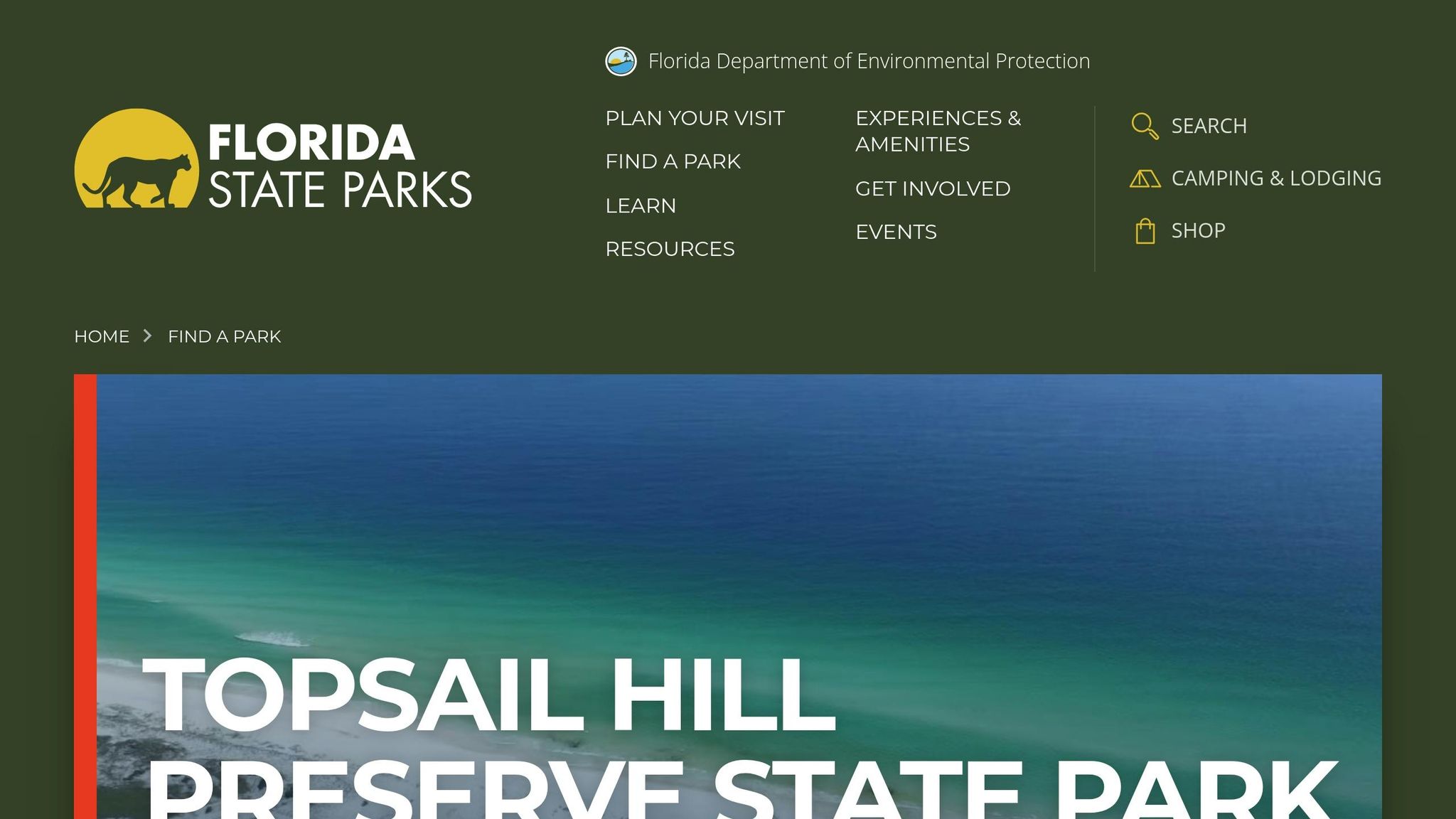
Spanning 1,600 acres, Topsail Hill Preserve State Park is a shining example of conservation in action. This park showcases how preserving natural habitats can protect Florida’s coastal ecosystems while offering visitors a chance to explore and learn. With self-guided trails and eco-conscious activities, it’s an ideal destination for nature enthusiasts.
Discover Florida’s Coastal Ecosystems
The park offers a firsthand look at the interconnectedness of Florida’s unique habitats. From towering sand dunes and pine flatwoods to wetlands and scrub oak areas, the trails lead you through an array of landscapes before reaching three miles of untouched Gulf beaches. At the heart of it all lies Campbell Lake, one of the rare coastal dune lakes found in this region.
As you explore, you’ll see how dunes act as natural barriers, freshwater lakes blend with coastal environments, and plant life adapts to shifting conditions. It’s an engaging way to experience the delicate balance between Florida’s coastal and inland ecosystems.
Wildlife Encounters
The park is a haven for bird watchers and wildlife lovers. Keep an eye out for red-shouldered hawks, eastern bluebirds, ospreys, and the elusive plovers. You might also spot gopher tortoises, a protected species, or catch a glimpse of deer grazing near the forest edges.
Thoughtful Design for Nature Preservation
The park’s design prioritizes protecting its sensitive habitats. Paved paths and shaded trails guide visitors while minimizing impact on fragile dune vegetation and wildlife. This thoughtful approach ensures you can enjoy the park’s beauty without disturbing its natural balance.
Visitor Information
For just $6 per vehicle, you can access well-marked trails that invite you to hike, bike, or paddle on Campbell Lake. Conveniently located on 30A, the park is a perfect addition to any eco-tour itinerary. Whether you’re looking for a peaceful retreat or an educational adventure, Topsail Hill Preserve State Park offers both.
3. Volunteer with South Walton Turtle Watch

If you're seeking an eco-tour that lets you actively engage in conservation, South Walton Turtle Watch offers a unique opportunity. This local group is dedicated to safeguarding sea turtle nests and hatchlings along the 30A coastline, and visitors are welcome to pitch in during nesting season. Here's what you can expect from this hands-on experience.
What You'll Learn About Ecosystems
South Walton Turtle Watch operates within the St. Andrews Bay System, a vital part of the region's ecosystem. By participating, you'll gain insight into how coastal beach habitats act as critical transition zones between land and sea.
The program dives into sea turtle biology, nesting habits, and the many challenges these creatures face. You'll learn about threats like light pollution, which can disorient hatchlings, and how beach erosion and predators impact nesting success. Conservationists will also share techniques for protecting nests and explain how sea turtles contribute to the marine food web.
What sets this experience apart is its practical approach. Instead of just observing from a distance, you'll play an active role in helping sea turtles while learning about conservation science directly from experts.
Wildlife You Can See
During nesting season, you might witness a sea turtle laying her eggs or watch hatchlings make their way to the ocean. The early morning hours also offer a chance to spot shorebirds in their natural coastal habitat.
Low Impact on Nature
Protecting the environment is a top priority for South Walton Turtle Watch. Programs are carefully designed to minimize disruption to the ecosystems they highlight. For instance, sunrise walks are scheduled for early morning, a time when human presence is least intrusive and coincides with peak sea turtle activity.
Group sizes are kept small, and access to sensitive nesting areas is tightly controlled to ensure the safety of eggs and hatchlings. Volunteers receive training on how to follow proper protocols, ensuring their efforts contribute to conservation rather than harm. This thoughtful planning shows how eco-tourism, when managed well, can support wildlife preservation.
Tour Guides and Access
South Walton Turtle Watch offers two main ways to get involved: join as a volunteer or take part in guided sunrise walks led by conservation experts. Both options are educational and inspiring, but they’re only available during sea turtle nesting season, which runs from May to October. This five-month period is when female turtles come ashore to lay their eggs. If you're visiting outside these months, you might want to explore other eco-tour opportunities in the 30A area.
No special gear or prior experience is required. Just wear comfortable clothes suitable for the beach and bring sun protection. While the early start means getting up before dawn, the reward of witnessing sea turtles in their natural habitat makes it worth the effort. To join, contact South Walton Turtle Watch ahead of time to secure your spot for a volunteer shift or sunrise walk, as space is limited to reduce environmental impact. The program is open to a wide range of ages and fitness levels, making it a fantastic option for most visitors exploring 30A.
4. Tour the Choctawhatchee Bay and River System
The Choctawhatchee Bay and River System is a treasure trove of natural beauty and ecological wonder, offering an unforgettable eco-tour experience just steps from the beach. This extensive waterway is home to lush marshes, mangrove forests, and crystal-clear springs, providing a perfect opportunity to explore the intricate ecosystems that define Florida’s coastal regions.
What You'll Learn About Ecosystems
The Choctawhatchee Bay system, which includes West Bay, East Bay, and North Bay, is celebrated as one of North America’s most diverse ecosystems, supporting over 2,100 species. It’s like stepping into a living classroom where the principles of coastal ecology come to life.
Guided tours delve into the critical roles of salt marshes, seagrass beds, and coastal waters in maintaining balanced food webs. You’ll also get an up-close look at sea turtle nesting grounds and shorebird feeding areas. These habitats not only serve as nurseries for important fish species but also help filter water and protect mainland communities from storms. Marine Adventures 30A, led by Captain Ian Towne, blends local expertise with marine biology insights to create a deeply educational experience. You’ll learn about species interdependence and habitat specialization while observing the dynamic interplay of life along the coast.
Wildlife You Can See
The bay’s incredible biodiversity means there’s no shortage of wildlife to spot. Dolphins are a frequent highlight, often seen feeding and socializing in the bay. As apex predators, they play a vital role in regulating fish populations. During nesting season, sea turtles make an appearance, serving as indicators of ocean health. Ospreys and other shorebirds are also common, helping to control insect populations and signaling high water quality.
For those looking to dive deeper into untouched nature, Backwater Tours, led by Captain Andy Coleman, offers eco-tours and stand-up paddle adventures. Their full-day excursions take you into secluded waterways and natural springs, revealing hidden pockets of wildlife far from the busier areas.
Low Impact on Nature
Eco-tour operators in the Choctawhatchee Bay area are committed to protecting the environment through sustainable practices. Companies like Marine Adventures 30A and Backwater Tours limit group sizes and use eco-friendly vessels, such as electric or fuel-efficient boats, to reduce their environmental footprint. Captain Towne’s background in marine biology ensures that tours follow responsible wildlife observation guidelines, showing how eco-tourism can actively contribute to conservation efforts.
Tour Guides and Access
Marine Adventures 30A offers a variety of tour options, including Dolphin Cruises (2–3 hours, $350–$400), Sunset Cruises (2 hours, $400), and a 4-hour educational tour. Backwater Tours provides immersive 8-hour stand-up paddle eco-tours for groups of up to six.
Marine Adventures 30A focuses on family-friendly experiences, complete with onboard bathrooms for added convenience. Safety and professionalism are top priorities, and customer reviews often highlight how these tours create lasting memories for families. No special equipment or prior experience is needed - just bring a pair of binoculars to take full advantage of the area’s rich birdlife.
While dolphins can be seen year-round, visiting between May and October during sea turtle nesting season increases your chances of spotting these incredible creatures. Tour operators are happy to provide tips on the best times to see specific wildlife, making every trip a personalized adventure. These tours not only connect visitors with nature but also emphasize the importance of preserving Florida’s precious coastal habitats.
5. Experience Camp Helen State Park
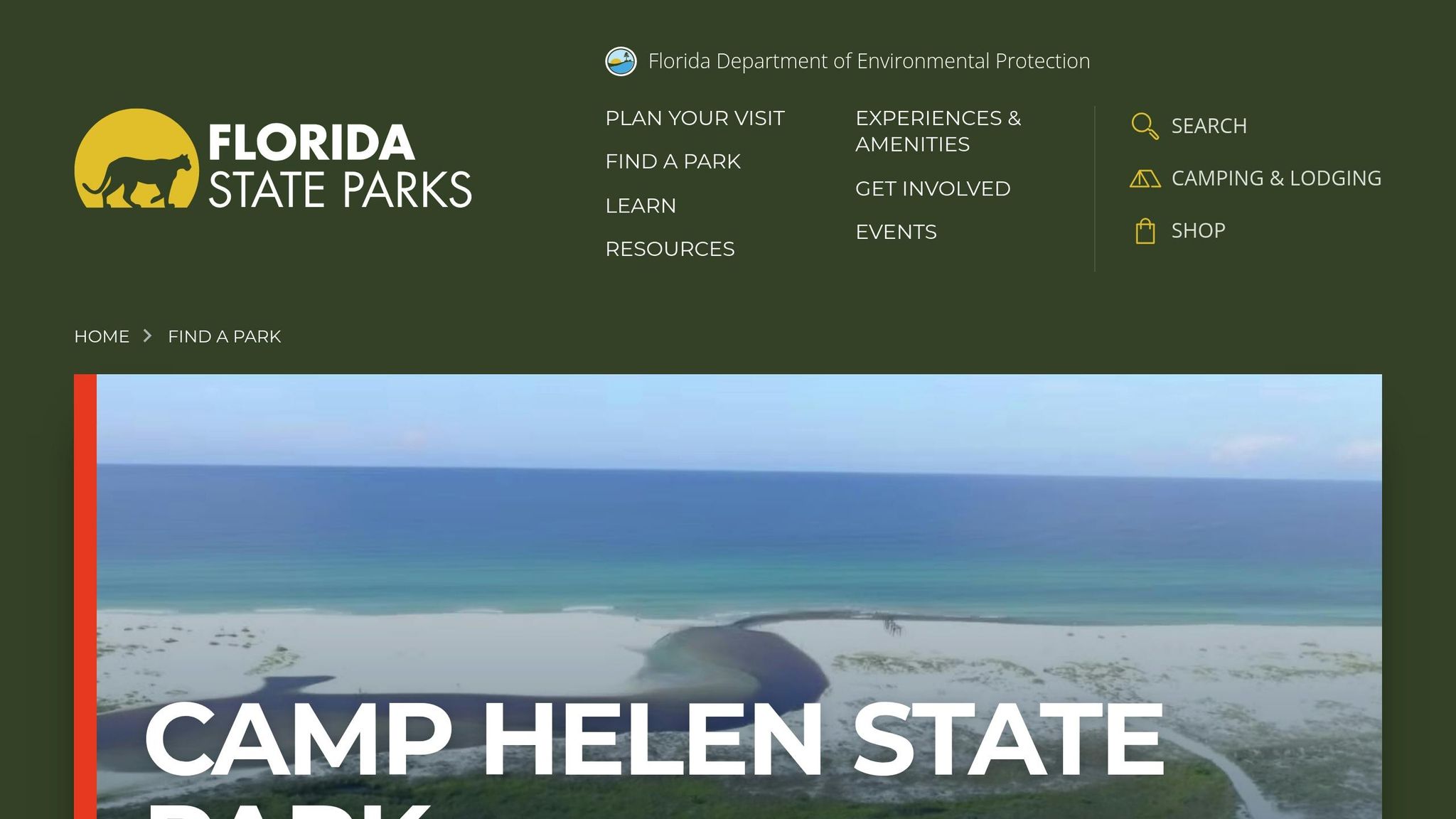
As part of your 30A eco-tour journey, Camp Helen State Park offers a tranquil escape where you can connect with nature and learn about conservation firsthand. This park along the 30A corridor provides a unique opportunity to explore coastal habitats and understand the importance of preserving them.
Discovering Ecosystems
Take a walk along the park's trails to witness how its diverse habitats and native plants play a crucial role in protecting the coastline from erosion and storm damage. It’s a living lesson in how nature works to sustain itself.
Spot Local Wildlife
Depending on the season, you’ll encounter a variety of bird species and native wildlife. Bringing along a pair of binoculars can make this experience even more rewarding, giving you a closer look at the park’s vibrant inhabitants.
Treading Lightly
Camp Helen State Park emphasizes the importance of exploring responsibly. Stick to the marked trails and follow leave-no-trace principles to help preserve the park’s natural beauty. These small actions ensure that future visitors can enjoy the same pristine environment.
Plan Your Visit
While much of the park is designed for self-guided exploration, you might occasionally find ranger-led programs during the busier seasons. Be sure to check in with the park staff when you arrive to see what’s available. Amenities like picnic areas and restrooms make it easy to spend a full day immersed in eco-exploration. This thoughtful approach to conservation ties seamlessly into the broader 30A eco-tour experience.
sbb-itb-d06eda6
6. Bike the Timpoochee Trail

The Timpoochee Trail is a fantastic way to soak in the beauty of 30A while keeping things eco-friendly. This 19-mile paved path runs alongside the coastline, connecting all the charming beach towns along 30A. As you ride, you'll enjoy stunning views of the area's diverse ecosystems, making it a perfect option for those who want to experience nature up close without leaving a heavy footprint.
Explore Coastal Ecosystems
Riding the trail takes you through a variety of coastal habitats, from rolling dunes and flatwoods to salt marshes and scrublands. These landscapes offer a unique chance to see how different environments support a wide range of plants and animals. You can even spot the gradual shifts in vegetation - like salt-tolerant plants near marshes giving way to hardy species in sandy scrub areas. It's a living reminder of why preserving these habitats is so important.
Keep an Eye Out for Wildlife
The Timpoochee Trail is a haven for wildlife enthusiasts. While biking, you might catch sight of deer, foxes, rabbits, anhingas, and an array of sea birds. If you're near the coastal dune lakes, you could even spot playful otters going about their day. It's like a mini safari with the bonus of ocean breezes.
A Nature-Friendly Adventure
Exploring 30A by bike is not only fun but also environmentally conscious. By choosing to bike instead of drive, you’re cutting down on emissions and helping to preserve the delicate balance of the coastal ecosystems. This low-impact way of exploring fits right in with the area's focus on conservation and sustainable tourism.
Easy Access and Added Perks
The trail is open to the public, and you don’t need to worry about entrance fees or permits - it's free and easy to access from any of the beach towns it connects. Whether you're a seasoned cyclist or just looking for a leisurely ride, the Timpoochee Trail has something for everyone. Plus, it links directly to Grayton Beach State Park and Topsail Hill Preserve State Park, making it easy to extend your day with visits to these natural gems. It’s the perfect way to combine adventure, relaxation, and a commitment to protecting the environment.
7. Visit the E.O. Wilson Biophilia Center
If you're exploring 30A's eco-tourism offerings, the E.O. Wilson Biophilia Center is a must-see. Named after the renowned biologist E.O. Wilson, this center shines a spotlight on the intricate connections within nature. Its mission? To deepen your appreciation for the environment and highlight the significance of preserving local ecosystems. While specific details about exhibits and programs are still being finalized, there's plenty to look forward to.
What to Expect
At the heart of the center is the concept of biophilia - our innate bond with the natural world. Through interactive displays and educational programs, the center underscores why protecting biodiversity is so important. It’s a perfect fit for the eco-conscious vibe of 30A, offering visitors a chance to connect with the area's ecological roots.
Planning Your Visit
Before heading out, take a moment to check the center's hours, admission prices, and any scheduled events or programs. This ensures you can easily weave it into your itinerary alongside other eco-tours in the area. A stop here not only enhances your overall experience but also strengthens your connection to South Walton's stunning coastal landscapes.
8. Discover Eco-Tours with Marine Adventures 30A
Marine Adventures 30A offers a water-based journey that’s equal parts fun and educational. This isn’t just a boat ride - it’s an opportunity to dive into South Walton's coastal ecosystems. From eco-tours to sunset cruises, you’ll get a close-up look at dolphins, sea birds, and the stunning natural scenery that makes this area special. It’s a perfect way to experience the unique coastal life of South Walton.
Guided by a Marine Biologist
Leading these tours is Captain Ian Towne, a local marine biologist with a passion for sharing his knowledge. His expertise turns every trip into an interactive learning experience. Whether you’re cruising at sunset or exploring during the day, Captain Towne’s insights make it easy to understand the delicate balance of the region’s ecosystems. Plus, the tours follow low-impact practices to ensure minimal disturbance to the environment.
Dive Into Coastal Ecosystems
During the tour, you’ll explore South Walton’s diverse habitats and discover how local species rely on them to thrive. Captain Towne connects what you see - like the interplay between sea birds and fish or the foraging habits of dolphins - to broader conservation ideas. It’s a hands-on way to understand the intricate web of life along the Gulf Coast.
Wildlife Highlights
Dolphins are undoubtedly the stars of the show, and you’ll have plenty of chances to watch them in their natural habitat. Along the way, you might also spot sea birds, seasonal sea turtles, and even local fish species. The tours are designed to respect the natural rhythms of wildlife, giving you memorable encounters without disrupting their environment.
Eco-Friendly Exploration
Marine Adventures 30A takes its commitment to nature seriously. Their eco-friendly vessels and observation-focused activities ensure that your adventure leaves the environment undisturbed. It’s a thoughtful way to enjoy South Walton’s coastal wonders while keeping conservation at the heart of the experience.
Eco-Tour Comparison Table
Choosing the right eco-tour comes down to your interests and preferred activities. Whether you're intrigued by marine biology, enjoy paddling through serene backwaters, or want to volunteer for conservation efforts, there's something for everyone. The table below breaks down the key features of various eco-tour options to help you find the best match.
| Eco-Tour Option | Primary Focus | Main Activities | Guide Expertise | Duration & Pricing | Best For |
|---|---|---|---|---|---|
| Marine Adventures 30A | Marine biology & dolphin encounters | Boat tours, dolphin cruises, sunset cruises, educational marine tours | Marine biologist Captain Ian Towne | 2–4 hours, $350–$550 | Families seeking engaging marine education |
| Backwater Tours | Paddling & backwater exploration | Kayaking, paddleboarding, guided marsh tours | Experienced guide Captain Andy Coleman | 8-hour eco-tours, up to 6 people | Small groups exploring marshes and mangroves |
| South Walton Turtle Watch | Sea turtle conservation | Volunteer programs, sunrise walks, nest monitoring | Local conservationists | Seasonal (May–October), free program | Conservation enthusiasts during nesting season |
| Self-Guided State Parks | Diverse ecosystems | Hiking, biking, paddling, wildlife viewing | Self-guided with trail maps | Year-round, $6 per vehicle | Independent explorers on a budget |
Marine Adventures 30A stands out for its scientific approach, with Captain Ian Towne - a marine biologist - leading tours that blend wildlife encounters with fascinating insights into coastal ecosystems. If you prefer a more hands-on adventure, Backwater Tours offers 8-hour excursions led by Captain Andy Coleman, taking you through remote marshes and natural springs while highlighting coastal ecology. Both tours prioritize low-impact practices to preserve the habitats they explore.
For those seeking a budget-friendly option, state parks charge just $6 per vehicle and provide endless opportunities for hiking, biking, and wildlife viewing. On the other hand, premium tours like Marine Adventures 30A can cost up to $550 but include expert guides, specialized equipment, and immersive experiences.
When choosing between water-based and land-based tours, consider your mobility and comfort level. Boat tours are ideal for those looking for a relaxing experience with minimal physical effort. Activities like kayaking and paddleboarding require moderate fitness, while hiking and biking trails offer customizable options based on your preferred distance and difficulty level.
Conclusion
Opting for an eco-tour along 30A does more than offer a unique adventure - it actively supports the conservation of some of the planet's rarest ecosystems. The coastal dune lakes here are a global rarity, and the St. Andrews Bay System teems with over 2,100 species, showcasing the incredible biodiversity that makes this area so special. Protecting these natural wonders requires ongoing funding and strong community involvement to counteract development and environmental challenges.
When you book a tour with operators like Marine Adventures 30A or take part in programs like South Walton Turtle Watch, you're directly contributing to these conservation efforts. The fees you pay for these experiences and state park visits help fund critical habitat restoration and species protection initiatives. This connection between tourism and preservation is at the heart of every eco-tour along 30A.
Beyond the adventure, these tours provide expert insights that deepen your appreciation for the environment. They leave you not only with unforgettable memories but also with a greater sense of responsibility toward protecting these ecosystems. By embracing low-impact practices and supporting sustainable tourism, you play a vital role in ensuring that South Walton's coastal beauty thrives for generations to come.
FAQs
What makes the coastal dune lakes along 30A so unique, and why are they considered rare natural treasures?
The coastal dune lakes along 30A are a rare natural phenomenon, found in just a handful of places worldwide - like New Zealand, Madagascar, and South Walton, Florida. What makes these lakes so special is their proximity to the Gulf of Mexico. They occasionally connect with the Gulf through natural outflows, creating a fascinating blend of freshwater and saltwater. This unique interaction fosters an environment that supports a wide variety of plant and animal life, including species you won’t encounter anywhere else.
Because of their scarcity and ecological value, these lakes are considered true gems of nature. Visitors have the chance to experience them up close through eco-tours, kayaking, or paddleboarding, all while gaining insight into their role in maintaining the region’s biodiversity. If you’re visiting South Walton, exploring these lakes should be at the top of your list - especially if you love nature!
What are some ways visitors can support conservation while enjoying eco-tours along 30A?
Visitors can play an active role in conservation while exploring 30A by joining guided eco-tours that focus on educating participants about the area's unique ecosystems. These tours often highlight the rare coastal dune lakes, diverse marine life, and native wildlife habitats, offering a deeper understanding of why these environments are so special and worth protecting.
You can also make a difference by practicing eco-friendly habits during your visit. Simple actions like avoiding littering, respecting wildlife, and carrying a reusable water bottle go a long way. Some tours even include hands-on activities, such as beach cleanups or habitat restoration projects, giving you the chance to directly contribute to preserving the natural beauty of South Walton while enjoying its stunning landscapes.
What types of wildlife can I see on eco-tours in South Walton and 30A, and which tours are best for spotting animals?
South Walton and 30A eco-tours offer an amazing way to experience wildlife up close in their natural surroundings. Depending on the tour you choose, you could spot dolphins gliding through the water, sea turtles paddling along, ospreys soaring above, herons wading gracefully, and even the occasional alligator. The area’s coastal dune lakes, a rare natural feature, are teeming with fish, birds, and other fascinating creatures that call this habitat home.
To make the most of your wildlife adventure, try a kayaking or paddleboarding tour through the serene coastal dune lakes, or hop on a guided boat tour along the Gulf of Mexico. Many of these tours are led by experienced guides who share valuable insights about the local ecosystems, turning your outing into an unforgettable mix of exploration and learning.