Living on 30A with senior pets comes with unique challenges and responsibilities. From managing the effects of Florida's heat and humidity to addressing the specific health needs of aging pets, proper care is essential to ensure their comfort and well-being. Here's what you need to know:
- Aging Signs: Grey muzzles, mobility issues, sensory decline, and behavioral changes are common in senior pets.
- Health Risks: Older pets face higher risks of arthritis, heart disease, kidney problems, and cancer.
- Local Challenges: Hot sand, saltwater exposure, and intense UV rays require extra precautions for senior pets in the 30A area.
- Preventive Care: Semi-annual vet visits, parasite prevention, and tailored nutrition are key to maintaining health.
- Comfort at Home: Use ramps, non-slip rugs, and orthopedic beds to improve mobility and safety.
- Exercise Safely: Short walks, swimming, and mental stimulation help keep pets active without overexertion.
Local veterinary clinics, like 30A Vet and Paws in Paradise, offer specialized services, including therapeutic laser treatments and pain management. For end-of-life care, options include at-home euthanasia and memorial services. By staying proactive and attentive, you can help your senior pet thrive in this beautiful coastal community.
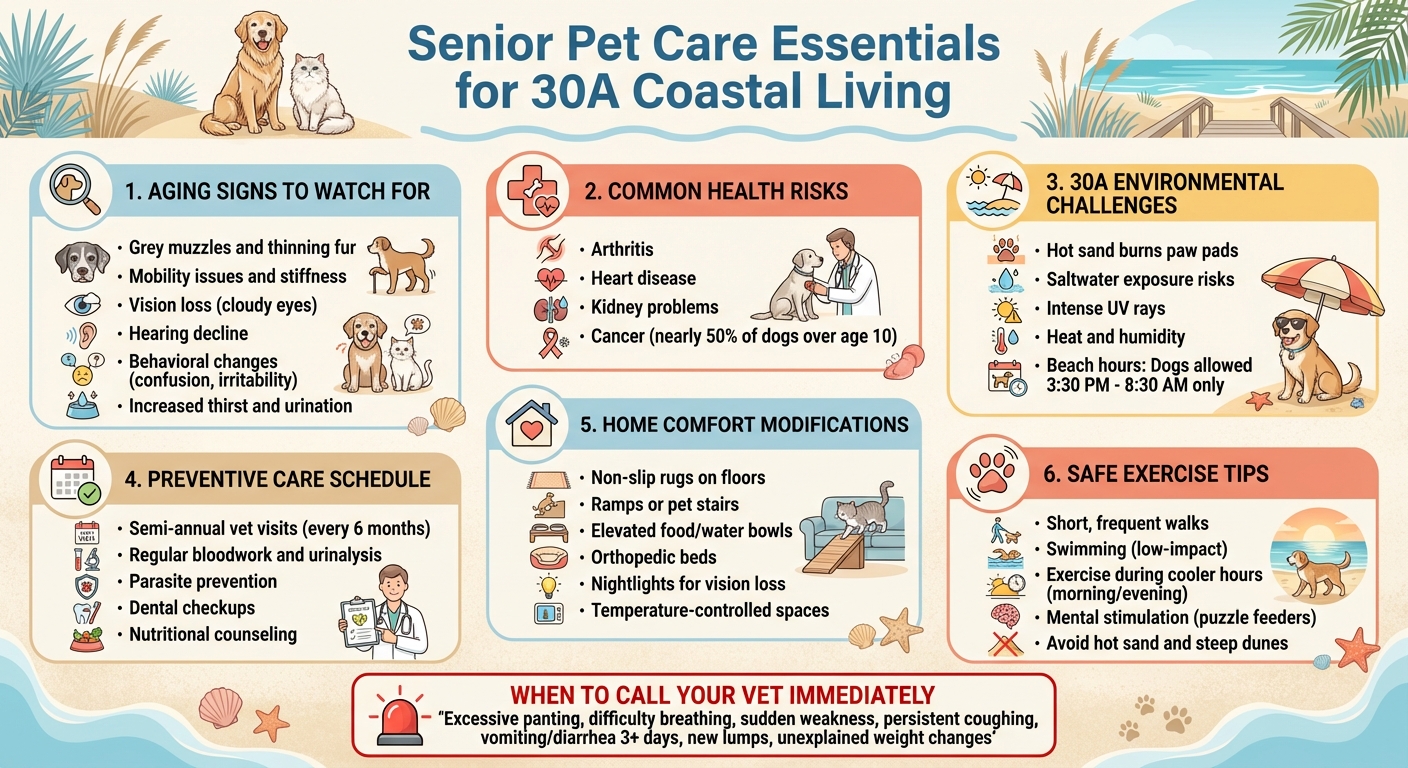
Senior Pet Care Essentials for 30A Coastal Living
Senior Pets in the 30A Environment
Common Signs of Aging in Pets
Aging affects every pet differently, but there are some physical and behavioral changes that most senior pets experience. You might notice a greying muzzle, thinning fur, or dental issues like bad breath or trouble chewing. Mobility can also become a challenge - your dog may seem stiff after lying down, hesitate to climb stairs, or favor a leg while walking.
Sensory decline is another telltale sign. Vision loss might show up as cloudy eyes or your pet bumping into furniture, while hearing loss could mean they no longer respond to their name or seem startled when approached from behind. Behavioral changes, like confusion or restlessness in the evening (sometimes called "Sundowners Syndrome"), increased irritability, or altered sleep habits, can also indicate aging. Additionally, metabolic changes - like drinking more water and urinating frequently - might point to underlying conditions such as kidney disease or diabetes. Persistent coughing could signal heart problems.
For pet owners in the 30A area, there’s an added concern: senior pets often struggle to regulate their body temperature, which can be dangerous in the region’s hot, humid climate. As Small Door Veterinary explains:
As their body slows down, some senior dogs may struggle to regulate their temperature as effectively as they did when they were younger
. This makes recognizing these changes even more critical in managing your pet’s health amidst 30A’s unique environmental challenges.
30A Environmental Challenges
The 30A area, with its tropical climate, presents specific hurdles for senior pets. The heat and humidity make it essential to provide constant access to water and shade to avoid heat-related illnesses. The beautiful white sand, while iconic, can be tough on pets with arthritis or joint pain, as it’s physically taxing to walk on. Add in saltwater exposure and intense UV rays, and pets are at risk for cracked paws and sunburned noses without proper care.
To address these risks, Walton County limits dog beach access to cooler hours, between 3:30 PM and 8:30 AM. This policy helps protect pets from extreme heat and overcrowded beaches. Louis Svehla, spokesman for Walton County Commissioners, explains:
This ordinance really strikes a balance between safety and allowing our residents the opportunity to enjoy our beaches with their pets
. During the summer, the sand can become dangerously hot, burning sensitive paw pads in minutes, so these restrictions are especially important for senior pets.
For pets experiencing vision loss, the bright coastal glare and unfamiliar surroundings, such as vacation rentals, can make navigation difficult. To help manage these challenges, rinse your pet with freshwater after beach outings, apply pet-safe sunscreen, and use hydrating balms like "Snout Soother" to protect dry noses. These small steps can make a big difference in keeping your senior pet comfortable and safe.
When to Call Your Vet
Some symptoms in senior pets require immediate attention. Keep an eye out for excessive panting, difficulty breathing, sudden weakness, or confusion, as these could signal heatstroke or heart problems - both serious risks in 30A’s climate. Other warning signs include persistent coughing, sudden exercise intolerance, vomiting or diarrhea lasting more than three days, new lumps, or unexplained weight changes.
Behavioral changes, such as disorientation, wandering, or a lack of interest in play, can also indicate underlying health issues. As Destin Animal Clinic highlights:
Behavioral changes can serve as important indicators that something is changing in an older pet... you serve a critical role in detecting early signs of disease because you interact and care for your pet on a daily basis
.
To stay ahead of potential issues, semi-annual wellness exams are now the recommended standard for senior pets, replacing the traditional annual checkup. Before each visit, jot down any behavioral or physical changes, no matter how minor, to discuss with your vet. Being proactive and attentive to your pet’s needs is the best way to ensure their health and happiness in the 30A environment.
Local Veterinary Care and Services for Senior Pets
Veterinary Clinics for Senior Pet Care
The 30A region is home to several veterinary clinics that cater specifically to the needs of aging pets. 30A Vet, located in Santa Rosa Beach at Gulf Place, is a full-service hospital offering senior pet care and chronic pain management. Their services include therapeutic laser treatments, thermal imaging, digital dental X-rays, and preventive wellness bloodwork. They also practice fear-free techniques to make exams less stressful for older, anxious pets. In December, they even provided a $50 discount on wellness exams for new clients.
Another option is Paws in Paradise Animal Hospital in Inlet Beach, which offers comprehensive senior pet care, including dental services, wellness checks, and treatments for illnesses common in older pets. They are skilled at diagnosing complex conditions in geriatric animals. A client, Sophia M., shared her experience:
Dr. John was very patient when informing me of my 15-year-old precious pup's diagnosis. The staff took their time with her, and the treatment has helped her!
For those on the eastern side of 30A, Kindness Pet Hospital in Seacrest serves communities like Rosemary Beach and Alys Beach.
If you're just west of 30A, Destin Animal Clinic offers senior pet care programs, including Regenerative Medicine Therapy and semi-annual wellness exams. For pets with mobility challenges, Grayton Beach Mobile Veterinary Medicine provides in-home visits in the Santa Rosa Beach area. Along with advanced diagnostics, these services focus on improving your pet's daily comfort through personalized pain management.
Pain Management and Mobility Support
Ensuring senior pets are comfortable and mobile is vital, especially in the 30A area, where the environment can pose challenges. 30A Vet offers therapeutic laser treatments for managing chronic pain, which is particularly effective for conditions like arthritis. Meanwhile, Destin Animal Clinic provides Regenerative Medicine Therapy, which uses a pet's own cells to reduce inflammation, alleviate pain, and repair damaged tissues.
In addition to medical treatments, simple changes at home can make a big difference. Orthopedic beds, raised feeding stations, and ramps can help pets with arthritis or joint pain move more easily. For pets with vision impairments, scent markers and bells can assist with navigation and awareness of their surroundings. Maintaining a healthy weight is also crucial, as extra pounds can place additional stress on aging joints.
Preventive and Dental Care
Preventive care becomes increasingly important as pets age, especially in coastal areas where older pets face unique health risks. Paws in Paradise Animal Hospital specializes in dental services, offering pain evaluations, preventive cleanings, oral surgery, and full-mouth radiology.
Semi-annual wellness exams are now a key focus for senior pet care. This is particularly important given that nearly 50% of dogs over the age of 10 are likely to develop cancer.
In 30A's coastal environment, staying on top of parasite prevention and vaccinations is essential. Older pets have weaker immune systems, making them more vulnerable to illnesses they could once fend off. Regular bloodwork, urinalysis, and fecal tests are also important for early detection of age-related health issues, giving pets the best chance for effective treatment.
Daily Routines and Lifestyle Adjustments for Senior Pets
Feeding Your Senior Pet
As pets grow older, their nutritional needs shift. Senior dogs often require fewer calories because their metabolism slows down, making lighter diets a good option to prevent weight gain and ease stress on aging joints. On the other hand, unexplained weight loss is a common concern for older cats. High-quality protein is important to help maintain muscle mass, but for pets with kidney problems, protein levels may need to be adjusted. Look for foods that include omega-3 fatty acids, glucosamine, and chondroitin to support joint health, as well as extra fiber and probiotics to aid digestion. Always ensure fresh water is available, especially for pets with kidney or urinary tract issues. As South Federal Animal Hospital notes:
Nutrition plays a starring role in supporting your senior pet's health, comfort, and joy.
If your pet's sense of smell has diminished, warming their food can make it more appealing. Slow feeder bowls or puzzle toys can also make mealtime more engaging and provide mental stimulation. Clinics like Destin Animal Clinic offer nutritional counseling as part of their senior pet care services, and scheduling veterinary checkups every six months can help detect nutritional deficiencies or age-related health problems early. Keep an eye out for changes in drinking habits or difficulty chewing, as these could indicate underlying health concerns. A well-balanced diet is a cornerstone of daily care routines for senior pets, working hand in hand with appropriate exercise to keep them healthy and happy.
Exercise and Activities on 30A
Staying active is vital for senior pets to preserve muscle strength, support joint health, and maintain a positive mood, but their exercise routines should be adapted as they age. Shorter, more frequent walks and gentle play sessions are better suited for older pets than long, strenuous activities. As Jensen Beach Veterinary explains:
As Fido and Fluffy get older, they'll still have those playful moments... However, you will need to consider your four-legged friend's age during playtime and make a few adjustments.
Swimming is a fantastic low-impact exercise for senior dogs, offering a joint-friendly workout. Before heading to the water, be sure to check local beach conditions and flag warnings. Exercise your pet during the cooler hours of the morning or evening, bring along plenty of water, and consider using pet-safe sunscreen for beach outings. Be mindful of hot sand or steep dunes, which can be tough on aging joints. For more controlled exercise, explore local spots like the dog beach at Pier Park in Panama City Beach or the hiking trails at Topsail Hill Preserve State Park. Don’t forget about mental exercise - puzzle feeders, scavenger hunts, and low-impact trick training can help keep your pet’s mind sharp, especially if mobility is limited.
Home Modifications for Comfort
Making small changes to your home can go a long way in keeping your senior pet comfortable and safe. Non-slip rugs or ToeGrips can help prevent slips on tile or hardwood floors. Ramps or pet stairs make it easier for older pets to access furniture or vehicles without the strain of jumping, while elevated food and water bowls can reduce neck and back discomfort during meals. Dr. Julie Buzby, an integrative veterinarian, highlights the importance of these adjustments:
The elevated dish adaptation took the pressure off - literally - and restored comfort and dignity to dinner.
For pets with declining vision due to cataracts or other conditions, adding nightlights to sleeping areas and reflective tape along stair edges can improve navigation in dim lighting. If your senior cat struggles with a traditional litter box, switch to one with a lower front edge for easier access. Make sure your pet has access to temperature-controlled indoor spaces, as older animals are more sensitive to the heat and humidity common on 30A. If your pet can no longer jump onto their favorite couch, consider lowering the furniture or placing cushions on the floor to create a more accessible step. These thoughtful adjustments ensure senior pets can stay safe, active, and comfortable in their home environment.
sbb-itb-d06eda6
Planning Ahead: Quality of Life and End-of-Life Care
Evaluating Quality of Life
Determining whether your senior pet is comfortable and content can be tough. Many veterinarians rely on the HHHHHMM Scale, which evaluates factors like Hurt, Hunger, Hydration, Hygiene, Happiness, and Mobility, among others, to gauge a pet's overall well-being. A total score above 35 typically suggests an acceptable quality of life. Keep an eye out for behavioral changes like house soiling, confusion, disrupted sleep patterns, or a lack of interest in family activities - these may point to cognitive issues or discomfort. Signs of anxiety, such as panting, pacing, or whining, could indicate your pet no longer feels secure or at ease.
Monitoring your pet's daily routines can help you spot trends. While an occasional "off" day is normal, a steady decline over several days or weeks should prompt a visit to your veterinarian. Appetite and weight are also key indicators - significant weight loss in cats or unexplained weight gain in dogs could signal underlying health problems.
As Destin Animal Clinic advises:
When bad days start to outnumber good days, the quality of life becomes compromised and euthanasia needs to be considered.
These tools and observations can help you establish a baseline for your pet's well-being before making decisions about travel or end-of-life care.
Travel and Care Options
Once you've assessed your pet's quality of life, it's time to think about travel and care arrangements. Traveling with a senior pet requires thoughtful preparation. If your pet finds clinic visits stressful, consider mobile veterinary services like Grayton Beach Mobile Veterinary Medicine or Emerald Coast Mobile Vet, which offer care in the comfort of your home or vacation rental. Emerald Coast Mobile Vet explains:
Quality of Life consultations will be performed on all new patients prior to euthanizing. We will examine your pet in their own environment to get an accurate understanding of their medical problems.
If boarding is necessary, some facilities offer medically supervised, resort-style boarding tailored to senior pets, such as Emerald Shores Pet Hospital Resort and Spa in Santa Rosa Beach. For added convenience, 30A Vet provides a Pet Portal app, allowing you to access vaccine records, set service reminders, and manage prescriptions - a handy tool for staying organized while away from home.
When staying in a vacation rental, bringing familiar items like your pet's orthopedic bed or raised feeding bowls can help maintain their comfort. Simple safety measures, such as securing rugs or using baby gates, can also make navigating an unfamiliar space easier for your pet.
End-of-Life Care and Memorial Options
In the 30A area, where caring for senior pets comes with unique coastal considerations, planning for the final stage of your pet's life is essential. Local veterinarians provide compassionate end-of-life care, offering options like humane euthanasia in calm settings. Clinics such as Gulf Winds Animal Hospital and 30A Vet allow you to stay with your pet during the process if you choose. Gulf Winds Animal Hospital emphasizes:
Knowing when it's time to say goodbye can be incredibly difficult. We'll help assess your pet's quality of life, discussing factors such as mobility, happiness, and appetite.
For pets with mobility challenges or anxiety about vet visits, at-home euthanasia services provide a peaceful alternative. In Florida, in-clinic euthanasia typically costs $126 (ranging from $97 to $244), while at-home services average $454 (ranging from $349 to $886). Aftercare options include private cremation, which averages $251 nationally, or communal cremation, where ashes are not returned. Many families choose to honor their pets with living memorials, such as planting a tree or dedicating a garden space. Local providers can also arrange keepsakes like paw prints or coordinate with reputable crematoriums.
Involving your family early in these discussions, especially when children are part of the picture, can help everyone prepare emotionally for the loss.
Conclusion
Living with Senior Pets on 30A
Life on 30A offers more than just stunning beaches and scenic views - it’s a haven for pet lovers, especially those with senior companions. As Louis Svehla, Spokesman for the Walton County Commissioners, explains:
We want our residents to experience our county as a family and enjoy a high quality of life, and more often than not, people see their pets as members of their family.
This sense of community shines through in the area’s thoughtful amenities and services for aging pets. Local veterinary clinics cater specifically to senior animals, offering everything from semi-annual wellness exams to advanced treatments tailored to their unique needs. These resources reflect 30A’s commitment to ensuring pets remain healthy and comfortable as they age.
The natural surroundings of 30A also provide an ideal environment for senior pets. The 15 rare coastal dune lakes offer calm waters perfect for low-impact activities like paddleboarding with your older dog. For land-based adventures, the shaded trails of Point Washington State Forest are a great option for gentle walks, keeping your pet active without overexertion. Local businesses add to the charm - pet boutiques like Furry Fanatics and Bow Wow Meow stock high-quality gear, while restaurants such as Local Catch and Great Southern welcome pets on their outdoor patios.
From expert veterinary care to pet-friendly outdoor activities, every detail on 30A is designed to support the well-being of senior pets. These resources, paired with the area’s welcoming atmosphere, create a lifestyle where pets can thrive. For more tips on life in South Walton - whether it’s discovering hidden beaches or staying updated on local events - visit sowal.co. With a strong support system and proactive care, your senior pet can enjoy their golden years in one of Florida’s most pet-friendly communities.
Old Dog Care Tips to Prevent Silent Suffering | Mary Gardner, DVM
FAQs
How can I keep my senior pet safe from 30A's heat and humidity?
Senior pets are particularly vulnerable to the hot and humid conditions in the 30A area, so taking extra steps to keep them safe is essential. During the hottest hours of the day (10 a.m.–4 p.m.), keep them indoors in a cool, comfortable environment. Aim for an indoor temperature between 70–78°F, and always have fresh, cool water available. Adding ice cubes or using a pet-safe water fountain can make hydration more appealing. For extra comfort, consider placing a damp towel or a cooling mat in their favorite resting spot.
If outdoor time is necessary, plan for early morning or late evening walks when temperatures are more manageable. Use a lightweight, breathable harness instead of a collar to reduce heat retention, and carry a portable water bottle to ensure your pet stays hydrated. Never leave your pet in a parked car - not even for a moment - as temperatures can rise dangerously fast. Flat-faced breeds and pets with pre-existing health conditions require even more care. Cooling vests or a gentle mist of water can help them stay comfortable. Be alert for signs of heat stress, such as heavy panting, drooling, or unusual lethargy, and contact a veterinarian immediately if you notice these symptoms.
For additional advice on caring for senior pets, as well as local resources and pet-friendly spots in South Walton, check out guides tailored specifically to the 30A community.
What are the top veterinary clinics for senior pet care along 30A?
Caring for an aging pet comes with its own set of challenges, but the 30A area has some great veterinary clinics that can help keep your senior companion healthy and comfortable.
- 30A Vet (Santa Rosa Beach): Located at 3648 W. County Highway 30A, this clinic offers a full range of services designed with senior pets in mind. From thorough exams and diagnostics to dental care and surgery, their team takes a thoughtful approach to managing age-related health issues.
- Kindness Pet Hospital (Santa Rosa Beach & Seacrest): With two locations, this clinic emphasizes personalized care for older pets. They provide advanced medical services, including surgery and dentistry, all in a relaxed and welcoming setting to minimize stress for your pet.
- Destin Animal Clinic (Destin): A short drive from 30A, this AAHA-accredited hospital is known for its focus on senior pet care. They offer preventative exams, dental cleanings, and treatments for conditions like arthritis, diabetes, and kidney disease, ensuring your pet gets the attention they need.
These clinics are highly regarded by local pet owners for their dedication to senior pet wellness, making it easier to give your furry friend the care they deserve in the 30A area.
How can I make my home more comfortable for my senior pet?
Creating a home that caters to the needs of senior pets can make a world of difference in their comfort and mobility as they age. Simple adjustments, like adding a gentle ramp or sturdy pet stairs, can help them reach their favorite spots - whether it’s the bed, couch, or car - without putting extra stress on their joints. To prevent slips, especially for pets dealing with arthritis or vision challenges, consider using non-slip flooring such as carpet runners or rubber mats in areas they frequent most.
Comfort is key for aging pets. An orthopedic pet bed can ease joint pressure, while raised feeding stations help reduce strain on their neck and back. For senior cats, a low-entry litter box can make bathroom breaks much more manageable. Additionally, baby gates are a great way to block off potentially dangerous areas, like staircases. Don’t forget about lighting - adding nightlights can help pets with reduced eyesight navigate more easily. Keeping the indoor temperature steady, around 70°F, is also important for pets who may struggle with regulating their body heat.
If you're in the 30A area, check out local pet-friendly stores that stock these essentials. They can help you create a safer, more comfortable environment for your furry companion.