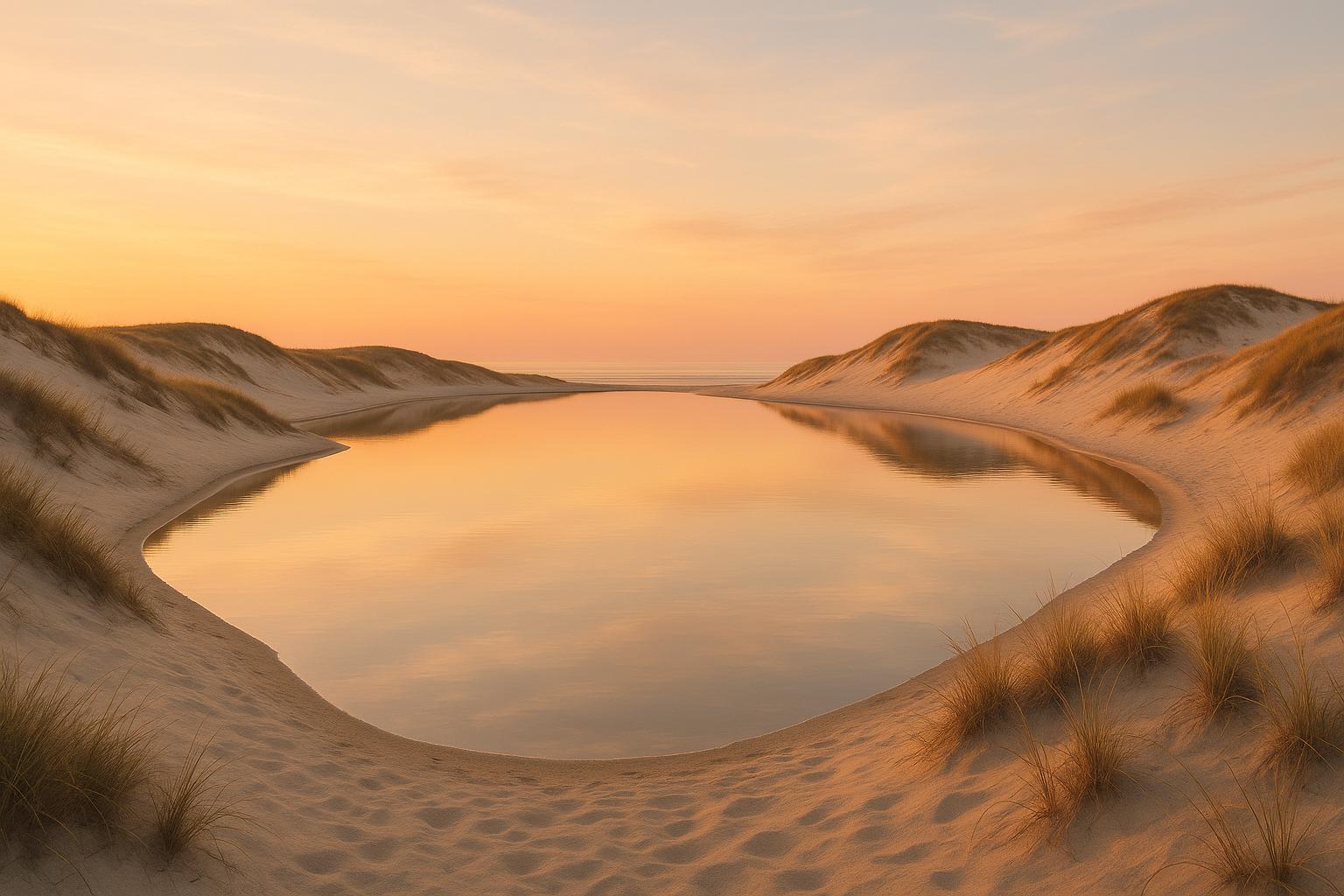
Grayton Beach State Park in Florida is a top spot for kayaking and paddleboarding, offering calm waters, stunning scenery, and easy access to the Gulf of Mexico. Its standout feature, Western Lake, is a rare coastal dune lake with brackish water, perfect for paddlers of all levels. Rentals, safety tips, and well-marked routes make it simple to enjoy the park’s natural beauty.
Key Takeaways:
- Western Lake Highlights: Calm, shallow waters suitable for beginners and experienced paddlers; unique tannin-stained appearance.
- Rentals: Kayaks and paddleboards available daily from 9 AM to 4 PM at the park’s boat ramp.
- Safety Essentials: Life vests are mandatory, and sun protection is a must.
- Best Times: Early mornings provide cooler temperatures, calmer waters, and fewer crowds.
- Routes: Options for all skill levels, from short loops to longer routes leading to the Gulf outfall.
Plan your visit to Grayton Beach State Park for a relaxing paddling experience and explore the surrounding area for more outdoor adventures.
Preparation and Safety Tips
Park Entry and Equipment Options
Before heading to Grayton Beach State Park, it's a good idea to familiarize yourself with entry fees and gear options. The park charges $5 per carload or $4 for individual visitors, which you can pay at the entrance kiosk. The park operates from 8 AM until sunset, giving you plenty of time to enjoy your visit.
Parking is conveniently located near the boat ramp, making it easy to access whether you're bringing your own equipment or opting to rent. If you need gear, rentals are available from the Friends of Grayton Beach station between 9 AM and 4 PM. Just bring a valid ID to secure your rental.
For those bringing their own gear, you'll have the flexibility to use the park’s boat ramp or the designated beach launch area. Rental packages typically include a kayak or paddleboard, a paddle, and a life vest, so you're all set for your adventure.
Don't forget to check your safety gear and review local regulations before getting on the water.
Safety Gear and Environmental Rules
Once your gear is ready, it’s time to focus on safety. Florida law requires all paddlers to wear a U.S. Coast Guard–approved life vest while on the water. If you're renting equipment, life vests are included and properly fitted. If you're bringing your own, double-check that it meets the required standards.
Sun protection is a must in Florida’s climate. Use sunscreen with SPF 30 or higher, and reapply every two hours. Pair it with a wide-brimmed hat, sunglasses, and UV-protective clothing for full coverage. Carry a whistle for emergencies and keep your cell phone in a waterproof case for added safety.
Hydration is critical, especially in the heat. Bring at least 1 liter of water per person, and pack extra if you’re planning a longer outing.
To protect Western Lake’s delicate ecosystem, always use designated launch points, avoid disturbing wildlife or dunes, and pack out all trash. Clean your gear thoroughly after use to prevent introducing invasive species. Families should ensure children wear properly fitted life vests and stay under close supervision. If you're bringing a pet, keep them leashed on shore and use a pet flotation device if they’re joining you on the water.
Best Times to Paddle
Western Lake’s tranquil atmosphere is best experienced in the early morning. The water is typically calmer, the air cooler, and the crowds smaller - perfect for a peaceful paddle or capturing stunning photos. Keep an eye on the weather, as mornings are generally more predictable than afternoons, which can bring choppier waters.
If you’re paddling during the summer, watch for thunderstorms and plan accordingly. Cooler months tend to offer more comfortable conditions. Always let someone know your planned route and expected return time, and head back immediately if the weather takes a turn for the worse.
Paddling Routes and Trails on Western Lake
Launch Points and Facilities
If you're planning a paddling trip on Western Lake, your journey will likely start at the Grayton Beach State Park boat ramp. This launch point is conveniently located about 0.7 miles from the park's entrance on Main Park Road, offering direct access to the lake's serene waters.
The launch area is well-equipped for a hassle-free experience. It features a spacious parking lot, shaded picnic pavilions, restrooms, and water refill stations. For those without their own gear, there's a rental station right at the launch point. Additionally, a small beach area is available for launching non-motorized vessels like kayaks and paddleboards.
Need tips or advice? The rental staff is on hand to provide updates on current conditions and suggest routes based on your paddling skills. For maps and more details about the lake, you can stop by the ranger station before heading out. From here, your paddling adventure begins.
Main Paddling Route
Western Lake, covering approximately 200–214 acres, is the second largest coastal dune lake in northwest Florida. The main paddling route starts at the state park boat ramp and leads toward the Gulf outfall, offering a mix of stunning landscapes and diverse ecosystems.
As you paddle away from the launch point, you'll notice the lake's unique tannin-stained waters, a result of the surrounding vegetation. This dark, tea-like color creates a striking visual contrast with the bright blue of the nearby Gulf. Along the way, you'll pass through salt marshes teeming with bird species and other wildlife.
The lake's connection to the Gulf adds an element of unpredictability. After heavy rains, the outfall may open, altering water levels and creating gentle currents. This natural ebb and flow ensures that no two visits are quite the same, adding a sense of discovery to your trip.
Scenic viewpoints along the route invite you to pause, take photos, or simply soak in the tranquil surroundings. The coastal dune lake ecosystem is home to a variety of plants and animals, making every paddle a chance to connect with nature.
Routes for Different Skill Levels
Western Lake's calm and sheltered waters make it an ideal destination for paddlers of all experience levels. Whether you're a beginner or a seasoned pro, there's a route here to suit your skills and schedule.
- Beginner Routes: These short loops near the launch point are perfect for newcomers. The water remains calm and predictable, providing a safe space to practice basic paddling techniques. These trips usually take about 1–2 hours.
- Intermediate Routes: For those with some experience, the intermediate trails extend further across the lake, exploring hidden coves and inlets. These routes offer a bit more variety and distance while maintaining manageable conditions, making for a 2–3 hour adventure.
- Experienced Routes: Advanced paddlers can take on the full lake route, heading all the way to the Gulf outfall. This longer journey showcases the lake's full ecosystem and typically lasts 3–4 hours. For an added challenge, seasoned paddlers might combine this route with nearby waterways for an extended exploration.
| Skill Level | Route Description | Typical Duration | Key Features |
|---|---|---|---|
| Beginner | Short loops near launch | 1–2 hours | Calm waters, easy access |
| Intermediate | Cross-lake exploration | 2–3 hours | Scenic coves, varied landscapes |
| Experienced | Full lake to outfall | 3–4 hours | Complete tour, Gulf connection |
No matter your skill level, paddling on Western Lake offers a chance to experience its natural beauty and unique ecosystem up close.
Rentals, Amenities, and Nearby Attractions
Kayak and Paddleboard Rentals
If you're looking to explore Western Lake, kayak and paddleboard rentals are available through Friends of Grayton Beach and Deer Lake State Parks. Rentals are offered daily from 9:00 a.m. to 4:00 p.m. at the Western Lake boat ramp. Each rental includes paddles and a life vest, so you're all set for a safe and enjoyable outing. Prices depend on the season, so it’s a good idea to check with the park office for the latest rates. Since rentals are on a first-come, first-served basis, arriving early - especially during busy times - gives you a better chance of snagging your gear. Don’t hesitate to ask the rental staff for updates on water conditions or tips on the best routes to take.
Park Amenities and Accommodations
Once you’ve got your paddleboard or kayak, take a moment to enjoy the park’s many amenities. Picnic pavilions near the boat ramp provide a perfect spot to unwind before or after your adventure. If you’re planning to stay overnight, the park offers both camping sites and cabin rentals. Since these accommodations can fill up quickly, booking in advance is highly recommended. The park is designed to accommodate visitors of all abilities, making it an inviting and budget-friendly destination.
Park Rules and Other Activities
To ensure everyone has a great experience, make sure to follow the park’s rules. Leashed pets are welcome in most areas, but keep in mind they’re not allowed on the beaches. Planning to fish? You’ll need a valid Florida fishing license for Western Lake or Gulf waters. Beyond paddling, the park offers plenty of other activities. There’s a 4.5-mile hiking and biking trail as well as the 1-mile Barrier Dunes Nature Trail and Pine Woods Loop, both offering stunning views of Western Lake and the Gulf. Swimming, birdwatching, and wildlife photography are also popular ways to enjoy the park’s natural beauty.
If you’re up for exploring nearby attractions, you won’t be disappointed. Topsail Hill Preserve State Park, Deer Lake State Park, Camp Helen State Park, Eden Gardens State Park, and Point Washington State Forest are all just a short drive away, each offering its own scenic charm.
For even more to do, check out sowal.co for details on local dining, hidden beaches, and community events in South Walton and along the 30A coastline. These extras add a special touch to your time at Grayton Beach State Park, making your visit unforgettable.
sbb-itb-d06eda6
Tips for a Great Paddling Experience
Weather and Tide Planning
Knowing how weather and tides influence Western Lake can make all the difference in your paddling adventure. After heavy rainfall, the lake might breach the sandbar and exchange water with the Gulf, creating an outfall route that leads directly to the Gulf. While this can be an exciting path for experienced paddlers, it may bring tougher conditions for beginners.
Wind plays a big role in how comfortable your time on the water will be. Early mornings are often the best time to paddle, offering calm waters, cooler temperatures, and a quieter atmosphere. Always check local weather forecasts before heading out, and stay updated on recent tide reports. These will help you determine whether the outfall route is accessible - something that usually happens after significant rainfall or under specific tidal conditions.
Once you’ve planned around the weather and tides, it’s time to pack smartly for your trip.
What to Pack
Bring the essentials to stay safe and comfortable. Pack plenty of water, snacks, sunscreen, a hat, sunglasses, and a waterproof bag to protect your valuables. For navigation and safety, carry a map or GPS and a whistle - you’ll appreciate these tools if you find yourself in one of Western Lake’s many coves, as its 200–214 acres can be surprisingly disorienting, even for seasoned paddlers.
Additional items to consider include insect repellent (coastal areas can be buggy), a dry change of clothes, and a small first aid kit. Keep a waterproof, fully charged phone with you for emergencies, and let someone know your plans and expected return time before heading out.
With your gear ready, it’s just as important to follow paddling etiquette for a safe and enjoyable experience.
Paddling Etiquette and Best Practices
Good paddling etiquette ensures that everyone can enjoy the beauty of Western Lake. Keep noise levels down, yield to less experienced paddlers, and maintain safe distances, especially around boat ramps and narrow channels.
Western Lake’s tannin-rich waters are perfect for wildlife viewing, but it’s crucial to observe animals from a respectful distance to avoid causing them stress. If you plan to fish while paddling, make sure you have a valid Florida fishing license and follow all state regulations.
There’s a growing movement toward eco-conscious paddling, with an emphasis on preserving the delicate dune lake ecosystem. Follow “leave no trace” principles and respect the wildlife to help protect this special environment for generations to come.
For more tips and insights into paddling in the South Walton area, check out sowal.co. It’s a great resource for exploring the 30A coastline and connecting with the local paddling community.
Only 5 Places in the World Have THIS and I Kayaked It!
Conclusion
Western Lake at Grayton Beach State Park offers a paddling experience unlike any other in Florida. This rare coastal dune lake, spanning 214 acres, provides calm, tannin-rich waters that are perfect for both kayaking and paddleboarding - whether you're a first-timer or a seasoned pro. Its serene beauty invites exploration with a mix of careful planning and a sense of adventure.
The park makes it easy to hit the water with affordable rentals and well-maintained launch facilities, giving everyone the chance to enjoy this stunning coastal environment.
To get the most out of your visit, plan ahead. Keep an eye on the weather, especially if you're eager to paddle the outfall route that connects Western Lake to the Gulf of Mexico after heavy rains. Early mornings are ideal for paddling, offering calm waters and excellent opportunities to spot wildlife.
Grayton Beach State Park is more than just a paddling destination - it’s a gateway to the South Walton area. With hiking trails, camping options, and nearby attractions like Topsail Hill Preserve State Park and Eden Gardens State Park, it’s an ideal spot for extended outdoor adventures. Your time on the water can seamlessly blend into exploring the wider 30A coastline. For local tips and travel insights, sowal.co is a great resource to help you make the most of your visit to this beautiful part of northwest Florida.
FAQs
Why is Western Lake at Grayton Beach State Park a standout spot for kayaking and paddleboarding in Florida?
Western Lake at Grayton Beach State Park offers an extraordinary paddling adventure, thanks to its rare status as a coastal dune lake. These unique lakes, found in just a handful of places around the globe, feature brackish water where freshwater mingles with the Gulf of Mexico. The tranquil waters and rich ecosystem make this spot a dream destination for wildlife enthusiasts and anyone who loves connecting with nature.
As you paddle through the lake, you'll be surrounded by breathtaking landscapes - tall pines reaching skyward, salt marshes teeming with life, and sandy shores that invite you to pause and take it all in. Whether you're new to paddling or a seasoned pro, Western Lake’s calm waters offer a serene setting that’s perfect for kayaking or paddleboarding.
What environmental rules or etiquette should I follow while kayaking or paddleboarding at Grayton Beach State Park?
When you're out kayaking or paddleboarding at Grayton Beach State Park, it's essential to keep both the environment and fellow visitors in mind. Stick to the posted signs and regulations, steer clear of restricted areas, and avoid disturbing the wildlife. To help protect the park's delicate ecosystems, stay on the marked water trails, and make sure to pack out everything you bring - leaving no trash behind.
As for etiquette, be considerate of others enjoying the water. Yield to swimmers and slower paddlers, keep noise to a minimum, and maintain a safe distance from other boats. If you're new to paddling, take extra precautions by wearing a life jacket and staying alert to changing weather conditions. By following these simple steps, you’ll contribute to a safe, pleasant experience for everyone while helping preserve the park's natural charm.
How do weather and tides impact paddling on Western Lake, and what should I keep in mind when planning a trip?
Weather and tides play a huge part in shaping your paddling adventure on Western Lake. On calm, sunny days, the water is typically smooth, making it perfect for kayaking or paddleboarding. These ideal conditions allow for an easier, more enjoyable experience. But when strong winds or storms roll in, the water can turn choppy, making it tougher to keep your balance or paddle efficiently.
Tides also influence the lake’s water levels and currents. High tide can open up areas that are harder to access otherwise, while low tide might reveal sandbars and make some shallow spots tricky to navigate. To get the best out of your trip, it’s a smart idea to check the local weather forecast and tide schedule before you head out. Early mornings often bring the calmest waters, offering a peaceful setting to paddle and soak in the lake’s natural beauty.