If you're planning to enjoy 30A's vibrant, dog-friendly community with your furry friend, proper training is a must. The area’s bustling sidewalks, bike paths, and pet-friendly patios create exciting opportunities - but they also present challenges like distractions, crowds, and leash rules. This guide breaks down everything you need to know about preparing your dog for 30A life, from essential skills to local training providers.
Key Takeaways:
- Why Training Matters: A well-trained dog ensures stress-free outings in busy areas like Seaside and Grayton Beach. Commands like "recall", "leave it", and "settle" are essential for safety and enjoyment.
- Local Rules: Dogs must follow leash laws and beach permit guidelines. Check local regulations before heading out.
- Top Training Providers: Options include Off Leash K9 Training 30A for obedience, What's Up Dog for all-in-one services, and Emerald Coast Dog Behavior for addressing reactivity or anxiety.
- Training Tips: Practice in low-distraction areas first, gradually introducing busy settings. Adjust for weather by training early mornings or evenings during hot months.
Whether you're a resident or a visitor, investing in training ensures you and your dog can fully enjoy everything 30A has to offer. Let’s dive into the details!
Dog Training Needs on 30A
Common Training Challenges on 30A
Life on 30A comes with unique challenges for dogs. The bustling sidewalks and trails are full of distractions - bikes, golf carts, strollers, and other dogs - all of which can trigger reactivity or safety concerns. Add in wildlife like shorebirds or crabs, plus joggers and playful kids, and it’s easy to see how a dog’s focus and recall can be tested. Poor recall, for instance, might lead to a dog chasing wildlife or running into traffic, creating serious risks.
In town centers and dog-friendly patios, excitement often runs high. Dogs may jump on strangers, bark at other dogs, beg for food, or pull toward enticing smells and sounds like food vendors or live music. Busy spots like Seaside’s amphitheater or Alys Beach’s restaurants can overwhelm dogs that haven’t learned how to settle in public spaces.
Vacation rentals bring their own set of issues. Dogs in unfamiliar condos or beach houses might experience separation distress, making it tough for them to adapt.
The hot, humid weather and reflective sand can also tire dogs quickly, which sometimes leads to increased reactivity. Crowded summer days and holiday seasons amplify these challenges with more noise and foot traffic. And when storms or hurricanes keep dogs indoors for long periods, those without the ability to settle calmly may struggle even more.
To navigate these challenges, it’s crucial to set clear training goals that align with the unique demands of the 30A environment.
Training Goals for 30A Dogs
Dogs living or vacationing on 30A need training that goes beyond the basics. Reliable recall and loose-leash walking are critical for safely navigating crowded bike paths and sidewalks. These skills make everyday outings - whether it’s a morning coffee run or a sunset stroll - more enjoyable and stress-free.
Teaching a dog to "place" or "settle on a mat" is another valuable tool. Imagine your dog relaxing calmly under a café table at a busy restaurant or during an outdoor concert for up to an hour. This ability opens the door to enjoying 30A's vibrant dining and entertainment scene. Without it, many dog-friendly patios might feel off-limits.
Calm greetings are equally important. On 30A, where tourists and kids often approach to pet a “cute beach dog,” teaching your dog to sit or stand quietly can prevent over-excitement and potential accidents. Commands like "leave it" and "drop it" are also vital for protecting your dog from hazards like dropped food, fishing gear, or debris commonly found along the coast.
For dogs staying in rentals or condos, learning to settle in a crate or designated quiet space is essential. This helps your dog stay calm and relaxed when left alone, reducing concerns about noise or property damage while you’re out exploring.
Dogs that join their owners at community events, live music venues, or town squares need additional manners. Skills like an automatic sit or stand-stay when approached, a quiet cue for noisy settings, and the ability to ignore nearby dogs can make these outings more enjoyable. Facilities in Santa Rosa Beach and Miramar Beach offer group classes and day-training sessions designed to simulate these real-world scenarios, helping dogs build these essential skills.
How Age and Temperament Affect Training
A dog’s age and temperament play a big role in shaping effective training strategies for 30A’s challenges.
Puppies benefit from early socialization to get used to bikes, golf carts, and busy patios. Adolescents often need focused training on recall and impulse control, with board-and-train programs being a popular option for this age group.
Adult and senior dogs may already have ingrained behaviors like leash reactivity or anxiety in crowded spaces. These dogs typically require more targeted training that takes their physical limitations into account. Options like hydrotherapy for seniors or day-training for high-energy adults can address these needs.
Breed and individual temperament also influence training approaches. High-energy working and herding breeds, such as shepherds and heelers, often thrive in structured programs that combine mental stimulation with disciplined training. On the other hand, smaller companion breeds may do better with gentler, in-home sessions that gradually introduce them to busier environments. Dogs with sensitive or anxious temperaments respond well to calm, relationship-based methods. Emerald Coast Dog Behavior, for example, uses techniques like body-language reading, energy work, and gradual exposure to help these dogs adjust to 30A’s busy atmosphere.
For highly social and exuberant dogs, day-training or daycare programs with integrated training can be particularly effective. These programs allow dogs to practice good manners around other dogs and people on a regular basis.
However, some behaviors may signal the need for specialized intervention. Intense lunging, growling, or snapping at people, other dogs, bikes, or golf carts - especially if these behaviors resist redirection - could indicate deeper behavioral issues. Other red flags include resource guarding in crowded settings, extreme reactions to fireworks or large gatherings, and persistent separation-related distress. In such cases, professional behavior work might be necessary.
Dog Training Methods and Program Types
Training Approaches
Picking the right training method can make all the difference in helping your dog thrive in the lively 30A environment. Trainers in the area typically rely on three main approaches: positive reinforcement, balanced training, and behavior modification.
Positive reinforcement is all about rewarding the behaviors you want to encourage. For example, if your dog sits calmly under the table at a bustling 30A café instead of jumping on passersby, you reward them with treats, toys, or praise. This method works wonders in distracting settings because it teaches your dog to choose to focus on you, even with bikes, golf carts, and crowds around them. Quick, daily 15-minute sessions are great for reinforcing skills like loose-leash walking along Scenic 30A. This approach is especially effective for puppies learning about the world and for families seeking a gentle, relationship-focused method.
Balanced training combines rewards with well-timed corrections, like leash pressure or e-collar feedback, but only after the dog fully understands a command. Off Leash K9 Training 30A uses this method to achieve what they claim is 100% obedience and off-leash reliability - essential for dogs that need to respond instantly on beaches, trails, or near wildlife. This style appeals to active 30A residents who need their dogs to listen, even from a distance. When exploring balanced training, it’s important to ask trainers about their timing, intensity, and how they ensure corrections are humane.
Behavior modification focuses on addressing specific problem behaviors by changing a dog’s emotional response and daily habits. This method goes beyond obedience, tackling the root causes of issues like leash reactivity, separation anxiety, or aggression. Local specialists such as Emerald Coast Dog Behavior and 30A Dog Trainer use structured routines and owner coaching to resolve these challenges. For anxious or aggressive dogs, Emerald Coast’s farm sessions offer controlled socialization and confidence-building exercises in a calm environment, making future outings in crowded 30A spaces safer.
Some trainers also incorporate relationship-based or "dog psychology" techniques, which emphasize understanding canine energy and body language. Emerald Coast Dog Behavior, for instance, combines calm leadership with traditional training methods. This approach can be particularly helpful for dogs that don’t respond well to purely obedience-focused drills.
Once you've found a training method that suits your dog, the next step is exploring the various program formats available on 30A to ensure ongoing success.
Program Formats on 30A
After deciding on a training method, it’s time to choose a program format that fits your schedule and your dog’s needs. The 30A area offers several options, each with varying levels of owner involvement and intensity.
Private lessons provide one-on-one guidance, either at a training center, your home, or even real-world locations around 30A. Trainers like Off Leash K9 30A and Dog Training Elite Emerald Coast offer customized sessions tailored to specific goals, such as condo etiquette, calm greetings, or reliable beach recall. Private lessons are ideal for dogs that need personalized attention, especially shy or easily overwhelmed pups building confidence before joining group settings.
Group classes bring multiple dogs and owners together to work on foundational skills. Facilities like What’s Up Dog in Santa Rosa Beach/Miramar Beach, which has been serving the area for over 13 years, offer classes that focus on socialization and handling distractions. These classes mimic the busy public spaces of 30A, like outdoor events or crowded sidewalks. Group training is often the most cost-effective option and works well for friendly but distractible dogs. However, it’s not suitable for dogs with serious aggression or reactivity issues.
Board-and-train programs, sometimes referred to as “training camps,” involve your dog living with a trainer or at a facility for intensive daily sessions. Off Leash K9 30A offers 2- and 3-week board-and-train programs that focus on advanced off-leash obedience and behavior modification. These programs are appealing to busy owners or those looking for quick, structured progress. However, long-term success requires consistent follow-up practice at home, and most programs include owner coaching to ensure this.
Day training or “day school” programs offer a balance between private lessons and board-and-train. Your dog attends structured training sessions during the day and returns home at night. For example, Emerald Coast Dog Behavior’s “Farm Daze” program runs twice a week on a 5.5-acre farm, where dogs practice positive behaviors in a controlled environment. The program includes pickup and drop-off, is capped at 10 dogs per session, and costs $65 per day. This format is great for local residents who want regular structure for their dogs while managing their own busy schedules.
In-home training brings the trainer directly to your house and neighborhood. Dog Training Elite Emerald Coast emphasizes this model, tailoring programs to address challenges like elevator rides, HOA rules, or managing interactions with kids and visitors. This option is particularly practical for dogs that struggle with car rides or for owners who want training seamlessly integrated into their daily lives.
Specialized programs cater to unique needs. What’s Up Dog offers training for service dog tasks and personal protection, while Off Leash K9 30A provides targeted aggression and reactivity programs. Behavior specialists like Emerald Coast Dog Behavior and 30A Dog Trainer focus on addressing deep-seated issues such as fear, anxiety, and aggression. If you’re considering service dog training, be sure to ask about certifications, evaluation processes, and public-access standards.
When selecting a program, consider your dog’s age, temperament, and behavior. Puppies and shy dogs often benefit from private lessons or low-intensity day training to build confidence and skills before joining group classes. Friendly but easily distracted dogs thrive in group classes or day programs, where they can practice focusing in lively settings. Dogs with more serious issues, like aggression or severe anxiety, typically require one-on-one behavior modification or specialized day/board programs.
Before committing to a trainer or facility, ask key questions: What training approach do you use, and how will it apply to my dog? Where will training take place - at home, in public 30A locations, or at a facility? How do you handle distractions like beaches, bike paths, or dog-friendly patios? What owner coaching or follow-up is included? What qualifications or experience do you have with my dog’s specific needs? And, importantly, what does success look like in your programs? Requesting videos, reviews, or case studies from local clients can help you make an informed decision. Comparing answers will guide you to the best fit for your dog and your lifestyle on 30A.
1 Year Old Mix Breed-Molly-Best Dog Trainers Florida-Community K9
sbb-itb-d06eda6
Dog Training Providers on 30A
Now that you’re familiar with various training methods and formats, let’s dive into the local providers serving the 30A area. These trainers tailor their programs to meet the specific challenges of life on 30A, offering everything from off-leash obedience to behavior rehabilitation.
Off Leash K9 Training 30A
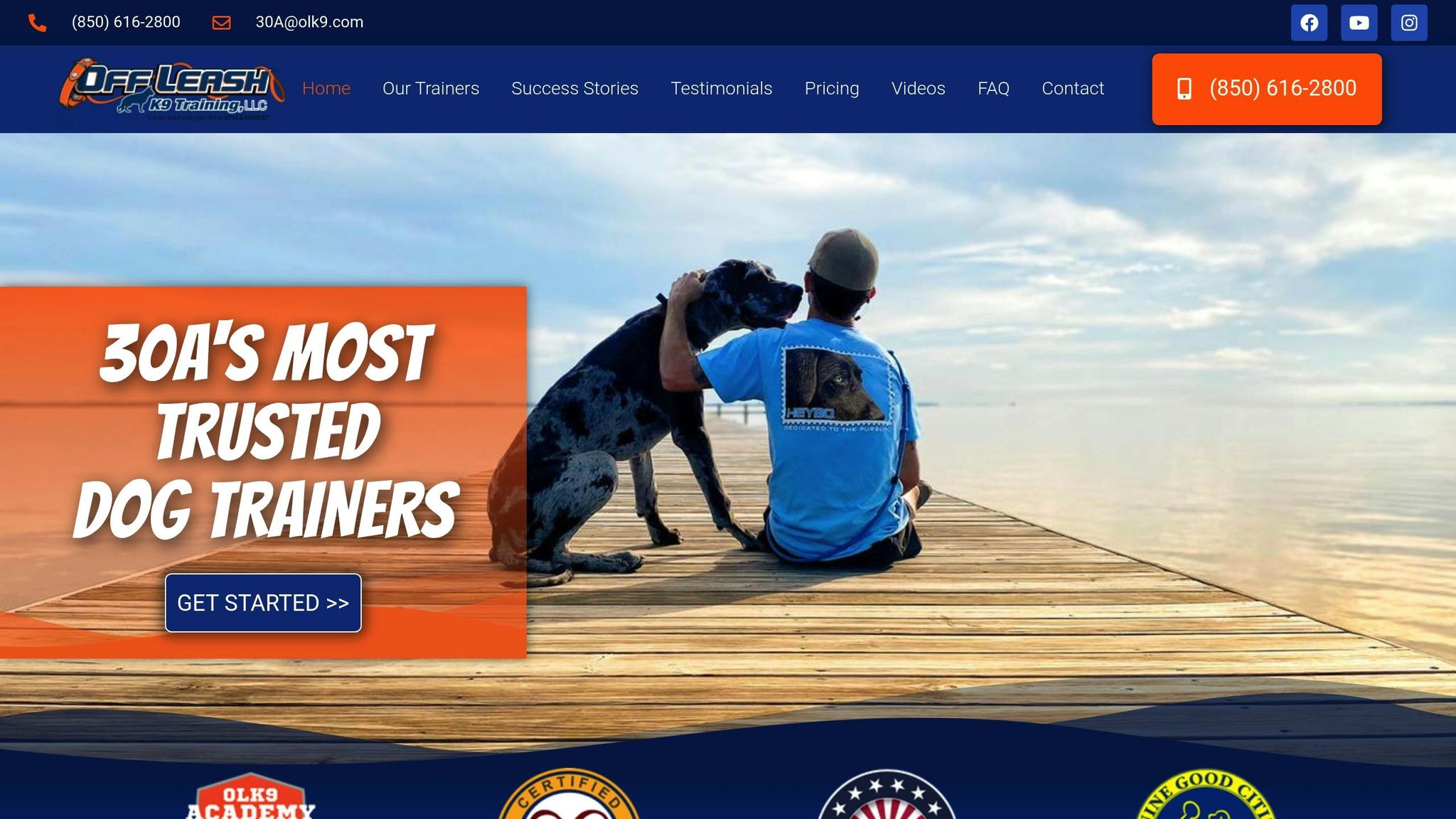
Off Leash K9 Training 30A specializes in distraction-proof obedience and off-leash control, ensuring your dog responds reliably in the bustling 30A environment. Part of a national franchise with over 130 locations, it’s often regarded as one of the top-rated dog training businesses in the U.S..
Their offerings include private lessons and board-and-train programs. The Basic Obedience package features four private lessons covering six core commands and loose-leash walking. For a more advanced experience, the Basic & Advanced Obedience package includes eight lessons with additional commands and distraction training. If you’re looking for quicker results, their two- and three-week board-and-train programs focus on advanced off-leash obedience and behavior modification, achieving responsiveness akin to police or military working dogs. They also provide puppy consultations for dogs under five months and a specialized Dog Aggression & Reactivity Package with eight private lessons.
Off Leash K9 Training 30A claims a 98% success rate in achieving high obedience levels, regardless of a dog’s age, breed, or size. Their team includes trainers with backgrounds in the U.S. Marine Corps, Department of Defense, U.S. Secret Service, and veterinary technology. Founder Nick White, a former U.S. Marine and Secret Service agent, even holds a world record for the longest distance "down" command at 350 yards, recognized by the World Record Academy.
This program is perfect for active 30A residents and visitors who need their dogs to respond instantly in dynamic settings, whether near wildlife, golf carts, or crowded paths. The board-and-train option is especially convenient for vacation homeowners or seasonal visitors looking to maximize training during a short stay.
What's Up Dog
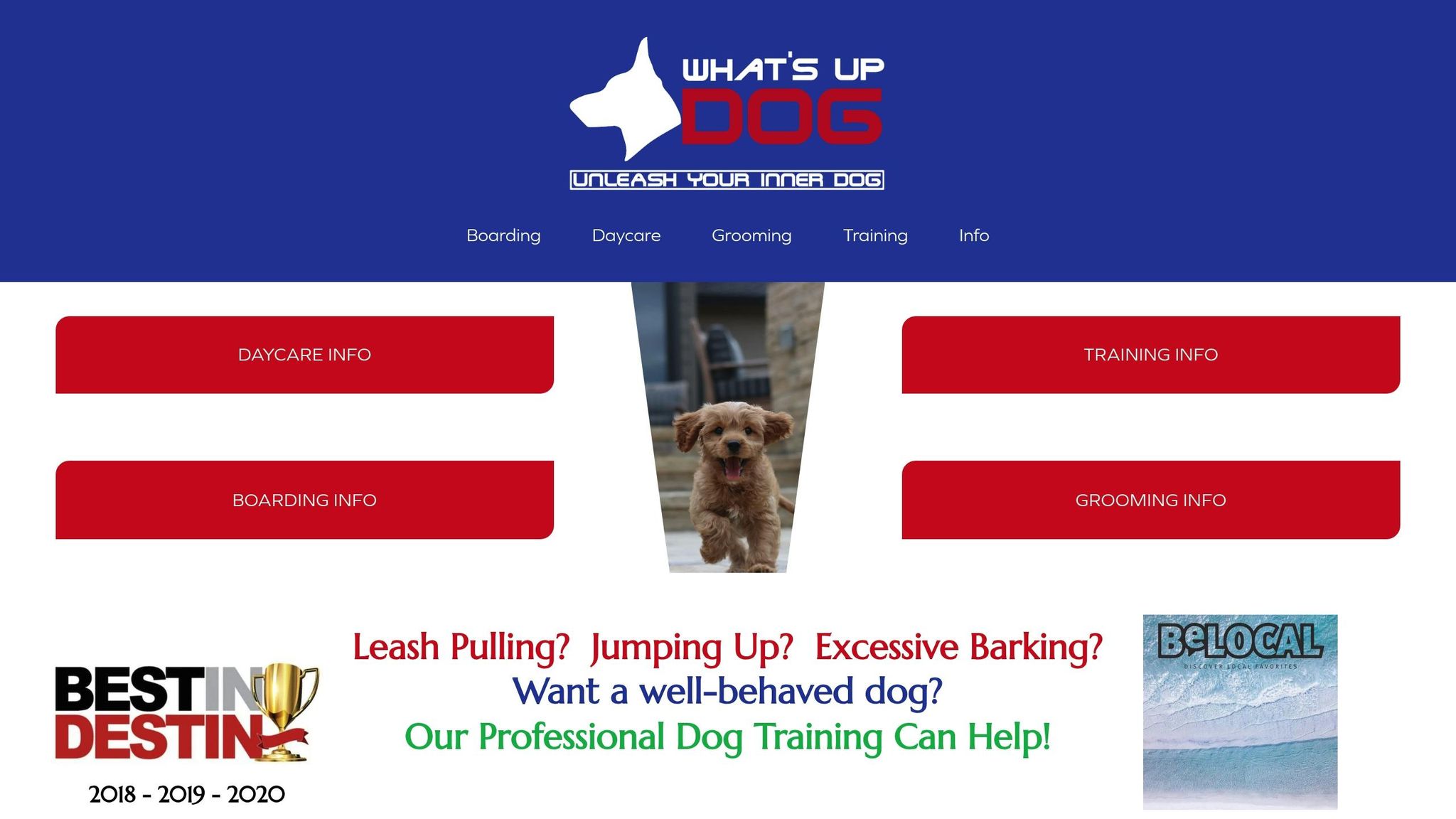
What’s Up Dog is a full-service pet care center offering training, daycare, boarding, grooming, and supplies. With locations in Santa Rosa Beach and Miramar Beach, they’ve been serving the 30A area, including Destin, Seaside, and Panama City, for over 13 years.
Their training options include board-and-train programs, private sessions, group classes, and even specialized instruction for service-dog tasks or personal protection work. What sets them apart is their all-in-one approach. Owners can combine daycare with training refreshers, schedule grooming alongside pickup, or book a board-and-train stay that doubles as vacation boarding. This is ideal for busy locals and tourists who want their dogs cared for, exercised, and trained all at once.
What’s Up Dog caters to a wide range of needs, from family pets requiring better manners to high-energy dogs that thrive with structured care and off-leash reliability. Their flexibility makes them a go-to choice for dog owners in the area.
Emerald Coast Dog Behavior
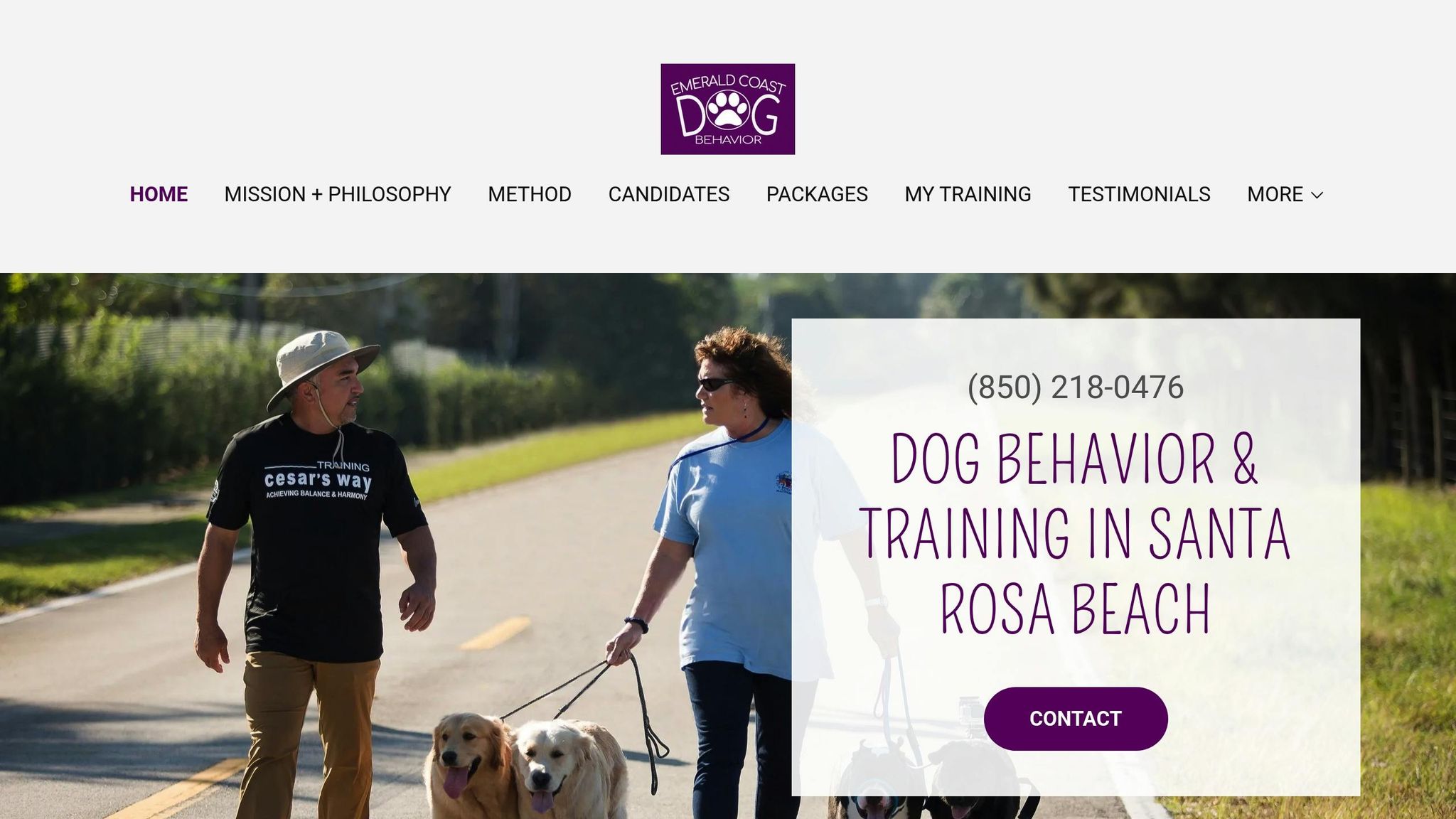
Led by behaviorist Melanie Barrett, Emerald Coast Dog Behavior focuses on behavior rehabilitation, addressing issues like reactivity, anxiety, and aggression rather than just basic obedience. Their programs include hourly sessions, a four-week “doggy bootcamp,” and two- and three-week board-and-train options designed to tackle complex behavior problems. These programs emphasize emotional regulation and mindset shifts, which are especially important in the busy, multi-stimulus environment of 30A.
Melanie Barrett brings a unique skill set to the table, with training in energy-based modalities like Healing Touch for Animals and animal aromatherapy. She has also completed advanced training under Cesar Millan. Emerald Coast Dog Behavior is home to the region’s premier dog hydrotherapy program, featuring a specially designed pool treated with a copper-based system instead of chlorine or salt. This therapy benefits dogs with arthritis, hip dysplasia, or post-surgical recovery, while also helping timid dogs build confidence.
In 2022, the provider introduced “Farm Daze,” a structured day program on a 5.5-acre farm. Here, dogs practice positive behaviors in a calm, pack environment. The program includes pickup and drop-off in a company van and costs $65 per day. Emerald Coast Dog Behavior is ideal for dogs with moderate to severe behavior challenges, offering bootcamps, energy work, and therapies that address root causes rather than surface-level symptoms.
30A Dog Trainer
30A Dog Trainer emphasizes owner involvement, focusing on teaching people how to work with their dogs. Led by Melanie Barrett, this program highlights the importance of owner behavior in achieving lasting results. Barrett, who trained under Cesar Millan and other experts, is also a certified canine aqua therapist and Healing Touch for Animals practitioner.
This approach prioritizes coaching owners to interpret their dog’s body language, establish household structure, and provide calm, consistent leadership. It’s particularly effective for issues like leash reactivity, resource guarding, and anxiety in the busy 30A area. Training sessions involve direct work with both the dog and the owner, ensuring techniques can be confidently applied in real-life scenarios like bike paths, beachfront neighborhoods, and dog-friendly patios.
30A Dog Trainer is a great choice for owners who want to develop their own handling skills and address deep-seated behavior problems through a relationship-based, psychology-driven approach. The program highlights that an owner’s energy, consistency, and leadership are key to long-term success.
When selecting a provider, consider your main goal - whether it’s off-leash obedience, comprehensive pet care, behavior rehabilitation, or owner-focused coaching. Think about your dog’s age, temperament, and specific needs, and don’t hesitate to contact multiple providers to discuss their methods, locations, and support options.
Tips for Dog Training Success on 30A
Core Skills for 30A Living
Living along 30A offers a vibrant mix of beachside fun and bustling community life, but it also requires your dog to master a few key skills to navigate the area safely and happily. Commands like "come" (reliable recall), loose-leash walking, "leave it," "stay," and "settle" are essential for handling crowded bike paths, busy patios, and open beaches.
Start teaching recall in quiet, low-distraction spots like your backyard or a calm neighborhood street. Once your dog responds reliably, take it up a notch by practicing at quieter beaches like Grayton or Timpoochee Point. Use a long leash and high-value treats (think small pieces of cheese or meat) to reinforce good behavior. Keep sessions short - 10 to 15 minutes - and gradually increase the challenge.
For loose-leash walking, head to the Scenic 30A bike path or neighborhood sidewalks during off-peak hours when there are fewer distractions like joggers or other dogs. Reward your dog for staying by your side, and stop walking the moment they start to pull. Consistency is key.
The "leave it" command is a lifesaver for preventing your dog from grabbing food at restaurants, exploring trash, or chasing wildlife. Start practicing in quieter settings, like dog-friendly patios, by dropping treats on the ground and rewarding your dog for ignoring them. Over time, work up to busier scenarios, such as passing food vendors or encountering squirrels and birds.
Teaching your dog to "settle" or go to a specific "place" on a mat can make dining out much more enjoyable. Begin at home by rewarding your dog for lying quietly on a towel or mat. Gradually practice at less crowded patios before trying popular spots like Bud & Alley's or The Hub. The goal is for your dog to relax quietly under the table without begging, wandering, or getting in the way.
Once these basics are in place, fine-tune your training to suit 30A's unique climate and seasonal challenges.
Training in 30A's Climate and Seasons
The heat and humidity along the Emerald Coast make it crucial to adjust your training schedule. With summer temperatures often hitting 85–95°F, mid-day sessions can be dangerous for your dog. Plan training for early mornings (before 8:00 AM) or evenings when it’s cooler, and always check surfaces like sand or asphalt with the back of your hand to ensure they’re safe for paws.
Hot sand and pavement can cause burns, so stick to shaded grass, packed sand, or covered boardwalks. Keep sessions brief - 5 to 10 minutes - and always bring fresh water. Watch for signs of overheating, such as heavy panting, drooling, or sluggish behavior. If you notice these, stop immediately and move your dog to a cool, shaded area.
Sandy terrain can also be tough on your dog’s paws. Start with firmer, cooler sand and consider protective booties for dogs with sensitive pads. When it comes to treats, opt for those that won’t melt in the heat, like freeze-dried liver or regular kibble.
During peak tourist seasons - spring break, summer weekends, and holidays - the area gets crowded and noisy. Make training easier by sticking to quieter residential streets or neighborhoods. If your dog seems overwhelmed, switch to indoor activities like puzzle toys or scent games to keep their skills sharp without the added stress.
When it’s too hot for outdoor training, focus on mental exercises. Play simple games like "find it" in air-conditioned spaces, practice name recognition, or work on basic commands indoors.
Local Rules and Dog Etiquette
Walton County has specific rules for dog owners, and knowing them is essential. Dogs must be on a leash no longer than 6 feet when off private property, except in designated off-leash zones. Make sure your dog is vaccinated, licensed, and under control at all times - violations can lead to fines ranging from $50 to $500, depending on the severity and whether it’s a repeat offense.
Beach access for dogs is highly regulated. Local residents can apply for beach dog permits, but visitors usually cannot bring dogs to the beach unless under specific conditions. Even with a permit, dogs must stay on a leash and are typically only allowed during early morning or evening hours. Always check with local authorities for the latest rules and enforcement policies before planning any beach outings.
Training naturally helps you follow these rules while making outings safer and less stressful. A reliable recall ensures your dog stays close, even when tempted by other dogs or wildlife. Loose-leash walking keeps them from pulling into bike lanes or approaching strangers uninvited. Commands like "leave it" and "stay" reduce the risk of accidents, while "settle" makes dining out or attending events easier.
Stick to dog-friendly access points and parks, avoiding no-dog zones. Teach your dog to "heel" and "wait" for tight spaces like boardwalks, dune crossovers, or parking lots. Encourage polite behavior by training them to sit and wait before meeting people or other dogs, and to ignore picnics or children unless invited. This is especially important in family-oriented communities along 30A, where many visitors have young kids.
Always carry waste bags and clean up after your dog right away. Not only is this the law, but it also helps keep 30A welcoming for dog owners. Respect restaurant and shop policies - many patios allow dogs, but they should stay on a leash, under your table or beside you, without blocking walkways or begging from other diners.
Conclusion
The first step to enjoying life with your dog on 30A is finding a training program that suits their needs. For off-leash reliability during beach walks or trail adventures, Off Leash K9 Training 30A offers methods designed to achieve excellent control. If your dog struggles with issues like reactivity, fear, or aggression, behavior-focused experts such as Emerald Coast Dog Behavior or 30A Dog Trainer can create tailored rehabilitation plans. Looking for a facility that combines training with daycare and boarding? What's Up Dog offers a range of services to meet those needs. Whether you prefer private lessons, intensive board-and-train programs, or group classes for socialization, the key is choosing a format that fits your lifestyle.
Once you've selected the right provider, the real work begins: consistent practice. Dedicate at least 15 minutes a day to reinforcing commands and maintaining skills. Incorporate training into your daily routine - practice loose-leash walking during morning strolls, reinforce recall at quieter beach spots during off-peak hours, or use commands like "place" or "settle" when dining on dog-friendly patios. Trips to busier areas like Seaside or Rosemary Beach can serve as opportunities to gradually introduce distractions while strengthening your dog's training. Local experts, including Off Leash K9 Training 30A and Emerald Coast Dog Behavior, emphasize that consistent practice is essential for long-term success. Keeping all family members on the same page with cues and rules, along with occasional tune-up sessions or group classes, helps prevent setbacks and ensures your dog can confidently join you at outdoor restaurants, community events, bike paths, and beach outings.
Effective training doesn’t just benefit you and your dog - it enhances the overall 30A experience. Reliable obedience reduces stress, minimizes risks, and ensures your dog is welcome in dog-friendly spaces. Following leash laws, practicing good etiquette, and being mindful of others keeps 30A’s beaches, trails, and towns enjoyable for everyone.
Sticking with ongoing training not only curbs behavior problems but also strengthens your bond with your dog and makes outings safer. Whether you’re a long-time local or new to South Walton, investing in the right program and committing to regular practice will help your dog thrive in this active, outdoor community. For more tips on dog-friendly spots, events, and advice in South Walton, visit sowal.co. With proper training, you and your dog can make the most of everything 30A has to offer.
FAQs
What essential commands should my dog know to stay safe and enjoy the 30A area?
To help your dog enjoy the 30A community safely, it's important to focus on teaching a few essential commands that encourage good behavior and ensure their safety. Start with the basics like sit, stay, and come - these are crucial for managing your dog in public spaces. Adding commands like leave it can stop your pup from grabbing something harmful, while heel ensures they walk calmly beside you on busy paths or beaches.
Practice these commands consistently in different settings so your dog becomes comfortable and well-mannered in the 30A area. Use plenty of positive reinforcement - like treats or enthusiastic praise - to make the training process fun and rewarding for your four-legged companion!
How can I help my dog stay calm and well-behaved in busy public places along 30A, like outdoor patios or local events?
To help your dog feel at ease and behave well in the lively settings of 30A, start by introducing them to similar environments in a gradual way. Begin with quieter spots, allowing them to build confidence before moving on to busier areas. Using positive reinforcement - like treats or praise for calm behavior - can go a long way in encouraging good habits.
Make sure your dog is well-versed in basic commands like sit, stay, and leave it. These can be incredibly useful when navigating public spaces. Always keep your dog leashed and ensure they have access to water, shade, and breaks when needed. If possible, expose them to the sounds and smells of outdoor patios or events ahead of time to help reduce any anxiety. With time, patience, and consistency, your pup can become a pro at handling these bustling environments!
What factors should I consider when selecting a dog trainer in the 30A area for specific behavioral challenges?
When you're searching for a dog trainer in the 30A area, the first step is to pinpoint your dog's specific challenges. Are they struggling with leash pulling, dealing with separation anxiety, or showing signs of aggression? Once you know what you're working on, look for trainers who focus on those areas and use positive reinforcement techniques, as these methods are not only effective but also kinder to your furry friend.
Next, take a close look at the trainer's background. Check their experience, certifications, and reviews from people in your community. If possible, attend a session or schedule a consultation to see their approach in action. The right trainer will be patient, clear in their communication, and ready to adapt their methods to fit your dog's personality and needs.